









Facing a progressive corneal condition like keratoconus or severe corneal scarring can feel overwhelming. When looking for solutions, finding the right ophthalmic specialist is your first step toward restoring your vision. If you are considering corneal transplant surgery in London, you need to understand your options clearly. London clinics offer world-class ophthalmic care, but your active participation in the consultation phase determines your peace of mind. Preparing a list of targeted questions helps you understand the differences between regenerative therapies and invasive surgeries. This guide outlines the essential questions you should ask your consultant before committing to any corneal procedure in the capital.
Understanding Your Diagnosis and Treatment Options
Before discussing specific surgical techniques, you must understand the current state of your cornea. Corneal conditions range from structural thinning to irreversible scarring, and each stage requires a different therapeutic approach. Ask your specialist to explain the precise progression of your condition and why they recommend a specific path. For instance, early-stage keratoconus often benefits from stabilising procedures, whereas advanced corneal failure may require replacing the damaged tissue entirely.
Distinguishing Stabilisation from Replacement
You should ask your surgeon whether your condition is still actively worsening or if it has stabilised. If your cornea is progressively thinning but still clear, corneal cross linking surgery in London might be the ideal preventative measure to halt further deterioration. On the other hand, if you already suffer from significant scarring or distortion that spectacles or contact lenses cannot correct, you should ask if you have reached the threshold for a transplant. Understanding these distinctions prevents confusion about what each procedure can realistically achieve. Ask for a clear explanation of how your specific corneal measurements, such as thickness and curvature, influence this decision. This knowledge ensures you make an informed choice alongside your consultant.
What to Ask About Corneal Cross-Linking
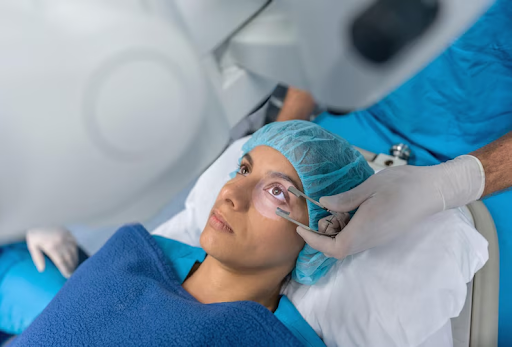
If your consultant identifies progressive keratoconus or corneal ectasia, they will likely recommend corneal cross linking surgery in London to strengthen your corneal tissue. This minimally invasive outpatient procedure uses ultraviolet light and riboflavin drops to create new chemical bonds in the cornea. To ensure you understand the process, ask your specialist about the specific protocol they intend to use.
Epithelium-On versus Epithelium-Off Protocols
The two main types of cross-linking are epithelium-off (epi-off) and epithelium-on (epi-on). During your consultation, ask: “Which method is safer and more effective for my corneal thickness?” The epi-off method involves removing the thin outer layer of the cornea to allow better riboflavin absorption, which generally offers more predictable results but requires a longer initial recovery. The epi-on method leaves the epithelium intact, reducing post-operative discomfort and infection risks but sometimes showing lower long-term efficacy. Ask your specialist to justify their recommendation based on your individual eye health and lifestyle requirements. Additionally, ask about the success rates of their previous procedures and how often patients require a repeat treatment to achieve permanent corneal stability.
Key Questions for Corneal Transplant Surgery
When conservative treatments or stabilising procedures are no longer viable, corneal transplant surgery in London becomes the primary option to restore visual acuity. This surgery involves replacing diseased corneal tissue with healthy donor tissue. Because this is a major surgical intervention, you must ask detailed questions about the specific transplantation technique your surgeon plans to perform.
Partial-Thickness versus Full-Thickness Transplants
Historically, surgeons replaced the entire cornea using penetrating keratoplasty (PK). Today, modern London clinics often perform selective lamellar keratoplasty, which replaces only the damaged layers of the cornea. Ask your specialist: “Am I a candidate for a partial-thickness transplant, such as DALK for outer layers or DMEK for inner layers?” Partial-thickness transplants carry a lower risk of graft rejection and typically offer faster visual recovery than full-thickness procedures. You should also ask about the source of the donor tissue, how the clinic screens for safety, and the typical lifespan of a donor graft. Understanding these details helps you manage your expectations regarding long-term visual outcomes and potential future procedures.
Assessing Surgeon Experience and Clinic Technology
The success of complex eye procedures depends heavily on the skill of your ophthalmic surgeon and the diagnostic tools at their disposal. London is home to some of the world’s leading eye hospitals, but standards can still vary between individual private clinics. You should feel entirely comfortable asking direct questions about your surgeon’s specific credentials and experience.
Inquiring About Audited Outcomes and Equipment
Ask your specialist how many times they have performed corneal transplant surgery in London, as well as their personal complication rates compared to national averages. A reputable consultant will gladly share their audited outcomes. Furthermore, ask about the diagnostic technology used in their clinic. Advanced imaging tools, such as anterior segment optical coherence tomography (AS-OCT) and high-resolution corneal topography, are essential for precise pre-operative planning and post-operative monitoring. Ensure the clinic uses modern ultraviolet delivery systems for corneal cross linking surgery in London to guarantee safety and precision. Choosing a specialist who combines extensive surgical experience with state-of-the-art diagnostic equipment significantly reduces the risk of intraoperative complications and improves your overall prognosis.
Recovery Timelines and Post-Operative Care
Understanding what happens after your procedure is just as important as the surgery itself. Recovery periods vary dramatically between cross-linking and transplantation, and you must prepare your home and work life accordingly. Ask your specialist for a detailed, step-by-step recovery timeline so you can plan your post-operative period effectively.
Medication Regimens and Activity Restrictions
Ask your consultant about the specific eye drops you will need to use and for how long. For instance, transplant patients often require steroid drops for several months, or even years, to prevent graft rejection, whereas cross-linking patients typically use anti-inflammatory drops for a few weeks. Ask: “What physical activities must I avoid, and when can I safely return to work or driving?” You will need to avoid getting water in your eyes, rubbing your eyes, and engaging in strenuous exercise during the initial healing phase. Additionally, clarify the schedule for follow-up appointments. Regular monitoring allows your specialist to detect early signs of infection or rejection, ensuring timely intervention if complications arise.
Conclusion
Undergoing a corneal procedure is a significant step toward safeguarding your long-term vision. Whether you require corneal cross-linking to stabilise progressive keratoconus or are preparing for corneal transplant surgery in London, asking the right questions during your initial consultation is vital. Gathering detailed information about surgical techniques, recovery expectations, and your specialist’s experience empowers you to make decisions with confidence. London offers exceptional ophthalmic care, but your active involvement in the treatment plan ensures the best possible outcome. Take your time to discuss these questions with your specialist, ensuring you feel completely supported and informed before proceeding with your chosen treatment pathway.