







Wondrand is a Dutch medical term that refers to the edge or margin of a wound, describing the boundary between damaged tissue and the surrounding skin. Although the word may be unfamiliar to many English-speaking readers, it represents an important concept in wound care, nursing, and clinical assessment. Healthcare professionals examine wound edges to understand how an injury is healing, identify changes in surrounding skin, and recognize conditions that may interfere with recovery. The appearance of a wound margin can provide useful information about tissue health, moisture levels, and the development of new skin. Understanding Wondrand therefore helps explain an important part of the wound-healing process and the terminology used in Dutch healthcare documentation.
Quick Answer: What Is Wondrand?
| Detail | Information |
|---|---|
| Term | Wondrand |
| Language | Dutch |
| English meaning | Wound edge or wound margin |
| Medical field | Wound care and clinical assessment |
| Main purpose | Describing the condition of a wound’s outer edge |
| Related process | Wound healing |
| Clinical relevance | Monitoring skin condition and healing progress |
Understanding the Meaning of Wondrand
The word Wondrand combines two Dutch words: “wond,” meaning wound, and “rand,” meaning edge or border. Together, they describe the outer boundary of an injury where damaged tissue meets the surrounding skin. This area is an important part of wound assessment because it can change throughout the healing process.
In medical practice, a wound is not evaluated only by looking at its central area. The surrounding skin and the condition of its edges also provide useful information. A wound may contain healthy-looking tissue in its centre while its margins show excessive moisture, irritation, dryness, or other problems. Examining these characteristics allows healthcare professionals to develop a more complete understanding of the injury.
Wondrand is particularly relevant in Dutch medical terminology and healthcare documentation. It provides a specific term for recording observations about the outer edges of a wound. In English-language medical discussions, similar assessments are generally described using expressions such as wound edge, wound margin, or wound-edge condition.
Why Wound Edges Matter in Medical Care
Wound edges play an important role in the body’s natural repair process. When the skin is injured, the body begins several biological activities to control bleeding, protect the damaged area, remove unwanted material, and rebuild tissue. One important stage involves the development of new skin cells that gradually move across the wound surface.
This process, known as epithelialization, helps cover the damaged area and restore the protective function of the skin. The wound margin is closely involved because new epithelial cells commonly develop from the surrounding skin and advance toward the centre of the wound.
Observing the wound edge can therefore help clinicians understand whether the skin is progressing toward closure. Advancing edges may indicate that new tissue is developing, while unchanged or deteriorating margins may suggest that healing requires further assessment.
The condition of the surrounding skin also matters. Excessive moisture, friction, pressure, and inflammation can affect the tissue around an injury. These factors may interfere with normal healing even when other parts of the wound appear relatively healthy.
Different Characteristics of Wound Edges
Not every wound has the same appearance. Its edges can vary depending on the original injury, its location, the patient’s health, and the stage of recovery. Understanding these differences is an important part of wound assessment.
Healthy and Advancing Wound Edges
Healthy wound edges generally show signs of gradual skin development and movement toward the centre of the injury. New epithelial tissue may appear thin and pink, although its appearance can differ depending on skin tone and the nature of the wound.
An advancing margin is generally considered a positive sign because it suggests that the wound is moving toward closure. However, clinicians do not rely on this observation alone. They also consider the wound’s size, depth, tissue condition, and other clinical findings.
Macerated Wound Edges
Maceration occurs when the skin is exposed to excessive moisture for an extended period. The surrounding tissue may become soft, pale, wrinkled, or weakened. This can happen when wound fluid accumulates around the injury or when dressings fail to manage moisture effectively.
Macerated edges can make the surrounding skin more vulnerable to friction and further damage. Appropriate moisture management is therefore an important part of wound care.
Rolled Wound Edges
Rolled wound edges occur when the margins curl inward or become thickened rather than advancing normally across the wound surface. This appearance is sometimes described using the clinical term epibole.
Rolled edges can be associated with wounds that have difficulty closing. Their presence may indicate that the normal process of epithelialization has been disrupted. Healthcare professionals assess the underlying wound condition before deciding on an appropriate management approach.
Dry Wound Edges
Dryness around a wound can also affect the condition of the surrounding skin. When tissue loses too much moisture, it may become rough, cracked, or less flexible. A suitable moisture balance is important because skin cells require an appropriate environment to support normal repair.
Undermined Wound Edges
Undermining describes a situation in which tissue damage extends underneath the visible wound margin. The external opening may appear smaller than the actual area of tissue involvement.
This condition can make wound assessment more complicated because the visible boundary does not necessarily represent the full extent of the injury. Clinical evaluation is important for identifying the depth and direction of the affected tissue.
Wondrand and the Wound-Healing Process
Wound healing is a complex biological process involving different stages that work together to repair damaged skin and underlying tissue. Wondrand is relevant throughout this process because the condition of the wound margin can change as the injury develops and gradually closes.
Hemostasis: The Initial Response
Hemostasis is the first stage of wound healing. It begins immediately after an injury and involves the body’s efforts to stop bleeding. Blood vessels constrict, platelets gather around the damaged area, and a clot forms to limit blood loss.
At this stage, the wound edges help define the area of injury. The body’s immediate response creates a temporary protective barrier while preparing the damaged tissue for subsequent repair.
Inflammation: Protecting the Injured Area
The inflammatory stage follows the initial response. During this period, immune cells help remove bacteria, damaged cells, and unwanted material from the wound. Redness, warmth, swelling, and tenderness may occur as part of the normal inflammatory response.
The surrounding skin and wound margins may also show temporary changes. However, persistent or worsening inflammation can require medical attention, particularly when accompanied by increasing pain, spreading redness, pus, or fever.
Proliferation: Developing New Tissue
During the proliferative stage, the body produces new tissue to replace the damaged area. Fibroblasts contribute to collagen formation, new blood vessels develop, and epithelial cells begin covering the wound surface.
This stage is particularly important when understanding Wondrand because the wound margins participate in epithelialization. As new skin develops, the edges may gradually advance toward the centre of the injury. Understanding the wound healing process also helps explain why wound assessment and appropriate care are important throughout recovery.
Remodeling: Strengthening Repaired Skin
The remodeling stage involves the gradual reorganization and strengthening of newly formed tissue. Collagen fibres change their arrangement, and the repaired area develops greater structural strength over time.
Even after a wound has closed, the affected skin may remain different from the surrounding tissue. The final appearance depends on several factors, including wound depth, location, healing conditions, and individual differences.
Wondrand and the TIME Framework
The TIME framework is an established approach to wound assessment and wound-bed preparation. It provides healthcare professionals with a structured way to examine different characteristics that influence healing.
The framework includes four important components: Tissue, Infection or Inflammation, Moisture, and Edge. The final component is particularly relevant to Wondrand because it focuses on the condition and progress of wound margins.
Tissue involves examining the material present within the wound, including healthy granulation tissue, dead tissue, and other visible characteristics.
Infection or Inflammation focuses on identifying signs that may indicate microbial activity or an abnormal inflammatory response.
Moisture examines the balance of fluid within and around the wound. Excessive or insufficient moisture can affect tissue health and interfere with recovery.
Edge focuses on the wound margin and whether new skin is advancing across the affected area. Clinicians examine whether the edges are healthy, damaged, rolled, undermined, or showing other changes.
The TIME framework demonstrates why wound-edge assessment is not an isolated activity. It forms part of a broader examination that considers the overall condition of the injury and the environment surrounding it. The clinical wound assessment guidelines also describe the importance of evaluating wound edges, moisture, tissue condition, and possible infection.
How Healthcare Professionals Assess Wondrand
Assessing Wondrand involves examining the appearance and condition of the tissue surrounding a wound. Healthcare professionals consider several characteristics to understand whether the injury is progressing toward recovery or showing signs of complications.
Colour is one observation that may be recorded during an examination. Pink or reddish tissue can sometimes indicate new skin development, while pale, white, or unusually dark areas may require further evaluation depending on the circumstances.
The moisture level around the wound is another important consideration. Excessive fluid can weaken surrounding skin, whereas an overly dry environment may interfere with normal tissue repair. Healthcare professionals therefore examine both the wound surface and its surrounding margins.
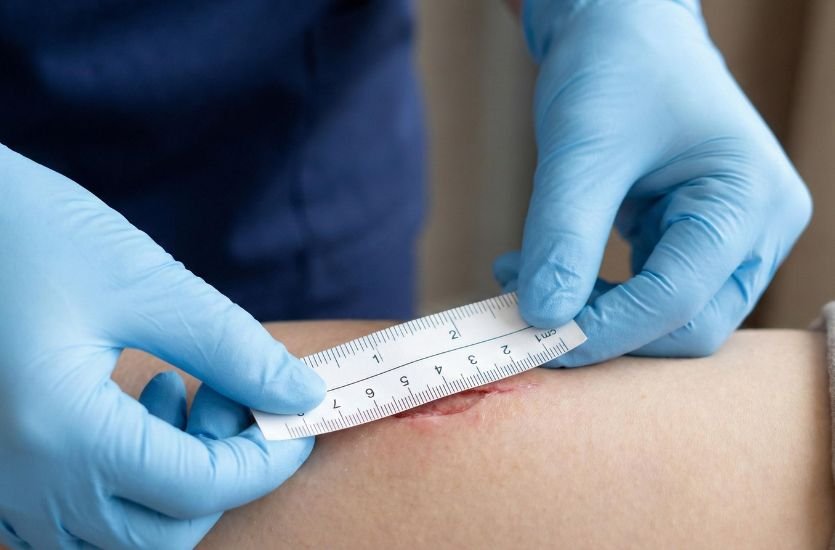
They may also assess the shape and structure of the edges. Advancing margins, rolled tissue, and undermining provide different information about the condition of the injury. Measuring wound dimensions and documenting changes over time can help establish whether healing is progressing.
Pain and tenderness are also considered. A sudden increase in discomfort, particularly when accompanied by swelling, warmth, or discharge, may indicate a complication that needs medical assessment.
No single characteristic can establish the complete condition of a wound. A reliable assessment considers several observations together and takes the patient’s overall health into account.
Factors That Can Affect Wound Edge Healing
Several factors influence how effectively wound margins recover. Some are related to the injury itself, while others depend on the patient’s health, environment, and access to appropriate care.
Infection
Infection can interfere with the normal healing process by increasing inflammation and damaging healthy tissue. Bacteria may multiply within a wound, creating conditions that delay tissue development and wound closure.
Possible warning signs include increasing pain, spreading redness, swelling, unusual discharge, and fever. These symptoms should not be ignored, particularly when they become progressively worse.
Diabetes and Blood Circulation
Blood circulation supplies injured tissue with oxygen and nutrients required for repair. When circulation is reduced, the delivery of these essential resources may become less effective.
Diabetes can also affect wound healing through several mechanisms, including changes in circulation, immune function, and nerve sensation. People with diabetes may not always notice injuries promptly, especially when sensation is reduced.
Poor Nutrition
The body requires adequate nutrition to rebuild damaged tissue. Protein, vitamins, minerals, and sufficient energy all contribute to normal wound recovery.
Inadequate nutrition can affect collagen production, immune function, and the development of new skin. A balanced diet supports the body’s ability to repair injuries.
Excessive Moisture and Pressure
Prolonged exposure to wound fluid can weaken the surrounding skin and contribute to maceration. Similarly, continuous pressure or friction can damage tissue and interfere with recovery.
Appropriate wound protection and pressure management are important considerations in clinical care.
Age and General Health
Age can influence skin thickness, circulation, and the body’s ability to repair damaged tissue. Other factors, including chronic illnesses, certain medications, smoking, and general physical condition, may also affect healing.
These influences explain why two people with apparently similar injuries may experience different recovery times.
The Role of Wondrand in Dutch Healthcare Documentation
Wondrand has relevance beyond everyday medical conversation because it also appears in structured Dutch healthcare terminology.
The Dutch Health and Care Information Model, commonly known as Zorginformatiebouwstenen or ZIBs, provides standardized information concepts that support consistent healthcare documentation and the exchange of medical information.
Within the wound information model, WondRand is used to describe the condition of the outer edges of a wound. The corresponding English terminology is WoundEdge.
The concept is identified as NL-CM:19.2.11 and is associated with SNOMED CT code 449747006. Such standardized terminology helps healthcare professionals and information systems represent clinical observations consistently.
This is important because healthcare information is often recorded by different professionals and shared between medical organizations. Standardized descriptions can reduce misunderstandings and improve the organization of patient records.
The inclusion of WondRand in this information model also demonstrates how a specific Dutch medical term can have a defined role in digital healthcare documentation.
Wondrand in Modern Wound Care
Modern wound care combines clinical knowledge, appropriate materials, and regular monitoring to support tissue recovery. Understanding the wound margin helps healthcare professionals evaluate whether the surrounding skin is responding appropriately to treatment.
Different types of dressings are designed to manage different wound conditions. Some absorb excess fluid, while others help maintain moisture or protect delicate surrounding skin. Selecting an appropriate dressing depends on the wound’s characteristics, including its depth, fluid production, location, and condition.
Technology has also improved the way wounds are monitored. Digital photographs, electronic medical records, and wound-measurement applications can help healthcare professionals document changes in wound dimensions and appearance.
Some healthcare systems use standardized assessment methods to improve communication between nurses, doctors, and wound-care specialists. These approaches make it easier to compare observations and identify changes that may require additional attention.
Wondrand fits into this broader development by providing a specific term for describing wound margins. Its relevance extends from traditional clinical examinations to modern digital healthcare records.
Why Understanding Wondrand Is Important for Healthcare Students
For healthcare students, understanding Wondrand provides an opportunity to learn how medical terminology describes individual parts of the human body and their role in clinical practice.
Wound assessment involves more than identifying an injury. Students must understand the differences between wound tissue, surrounding skin, moisture conditions, and the appearance of wound edges.
Learning these concepts can improve their understanding of nursing assessments and clinical documentation. It also introduces students to the terminology used in international healthcare systems.
The term is particularly useful for those studying Dutch medical vocabulary, wound management, nursing, and healthcare information systems. Recognizing the relationship between Wondrand and the English expression wound edge can also make medical resources easier to understand.
Common Misunderstandings About Wondrand
Because Wondrand is not a familiar English expression, readers may misunderstand its meaning or assume that it represents a medical product or treatment.
One common misunderstanding is that Wondrand refers to an entire wound. In medical terminology, however, it specifically describes the outer edge or margin rather than the complete injury.
Another misconception is that a particular wound-edge appearance always indicates a specific medical condition. Although the appearance of the margin provides useful clinical information, it must be interpreted alongside other findings.
It is also important to distinguish Wondrand from wound-care products. The term describes an anatomical and clinical feature rather than a dressing, medication, or therapeutic procedure.
Finally, Wondrand should not be treated as a universal treatment method. Its main importance lies in wound assessment, terminology, and healthcare documentation.
The Future of Wound Assessment and Clinical Documentation
Wound assessment continues to develop as healthcare organizations adopt digital technologies and standardized documentation systems. These developments aim to make clinical observations more consistent and improve communication between healthcare professionals.
Artificial intelligence and digital imaging are also becoming areas of interest in wound management. Image-analysis systems may help measure wound dimensions, compare photographs, and identify visual changes over time. However, these technologies support rather than replace professional clinical judgment.
Standardized terminology remains important in this changing environment. When healthcare professionals use consistent descriptions, clinical information becomes easier to record, retrieve, compare, and share.
Wondrand represents a small but meaningful part of this wider approach. By identifying the wound margin as a distinct assessment area, the term helps establish a clearer description of an injury and its healing progress.
Conclusion
Wondrand is a Dutch medical term that means wound edge or wound margin. It describes the boundary between an injury and the surrounding skin, an area that plays an important role in the natural healing process. Examining wound edges can help healthcare professionals recognize advancing skin, excessive moisture, rolled margins, undermining, and other changes that may influence recovery.
Its connection to the TIME framework demonstrates the importance of wound-edge assessment in modern clinical practice. Furthermore, its inclusion in the Dutch Health and Care Information Model highlights its value in standardized medical terminology and digital healthcare documentation.
Although Wondrand is a relatively unfamiliar word for many English-speaking readers, its underlying concept is important in wound care, nursing education, and clinical assessment. Understanding it provides a clearer picture of how healthcare professionals evaluate injuries and monitor the body’s progress toward skin repair. Readers interested in broader health and wellness topics can also explore related educational subjects.