









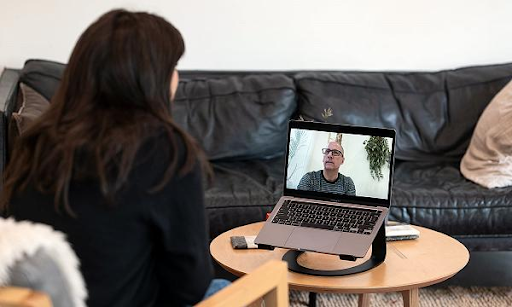
The path to overcoming substance use is undergoing a profound shift across Saskatchewan. Traditional in-person rehabilitation centres, while valuable, no longer represent the only path to long-term recovery. Today, individuals seeking flexibility and privacy frequently turn to virtual recovery options, utilizing online treatment in Saskatoon to establish a foundation for sober living. This modern approach to healing does more than help people reclaim their lives; it often sparks a passion to guide others through the exact same struggle. As participants experience the profound benefits of digital recovery platforms, they frequently transition from clients to peer mentors. This lived experience serves as the ultimate foundation for those looking to build a career in recovery support.
The Evolution of Virtual Recovery in Saskatchewan
Virtual healthcare has transformed how Saskatchewan residents manage their mental health and wellness. For many years, individuals living in rural communities or those with demanding work schedules struggled to find consistent recovery support. The introduction of digital counselling and virtual support groups removed these barriers, offering a lifeline to those who previously felt isolated. Choosing online treatment in Saskatoon allows participants to access professional therapy, structured recovery modules, and peer support networks directly from their own homes. This level of accessibility ensures that recovery fits into daily life rather than disrupting it.
Furthermore, digital platforms provide a level of anonymity that encourages people to seek help sooner. The shame often associated with entering a physical clinic disappears when support is just a click away. This initial comfort helps individuals engage more deeply with their therapy programmes. They learn to identify triggers, manage stress, and build healthy coping mechanisms in their real-world environments. Rather than recovering in a sterile, isolated facility, they practise sobriety in the very spaces where they live and work. This practical application makes the recovery process highly relevant and deeply integrated into their daily routines, laying a strong foundation for long-term success and future leadership roles.
From Personal Healing to Professional Guidance

As individuals progress through their recovery journey, they often experience a profound shift in perspective. The gratitude that comes with reclaiming one’s life frequently translates into a strong desire to support others facing similar challenges. This transition from participant to guide is a natural progression in the recovery community. Many who have successfully completed virtual programmes realize that their personal victories can serve as a roadmap for others. They begin to look for structured ways to turn their lived experiences into a professional career, which leads them to investigate peer support and coaching credentials.
For those inspired to take this step, understanding the professional landscape is essential. Aspiring mentors often research how to become a sober coach by Michael Walsh to find a structured path toward certification. This specialized training teaches individuals how to maintain professional boundaries while offering deep, empathetic support. Lived experience is incredibly valuable, but combining it with evidence-based coaching strategies ensures that the support provided is both safe and highly effective. By learning how to guide clients through the early, volatile stages of sobriety, newly minted coaches can turn their personal triumphs into a powerful tool for community-wide healing.
Essential Skills Cultivated in Online Recovery
Participating in virtual recovery programmes helps individuals develop a unique set of skills that are highly relevant to modern coaching practices. When clients engage in virtual therapy, they become adept at using digital communication tools. They learn how to express complex emotions clearly through video calls, messaging apps, and online forums. This digital literacy is incredibly valuable in the modern wellness industry, where virtual coaching sessions are becoming the standard method of client engagement.
Mastering Active Listening and Empathy
In a virtual setting, coaches cannot rely solely on physical body language. They must develop acute active listening skills, paying close attention to tone of voice, facial expressions, and speech patterns. Individuals who have completed online treatment in Saskatoon already understand what it feels like to receive support through a screen. This firsthand experience allows them to build trust and rapport with their own clients virtual-to-virtual. They know how to create a warm, non-judgmental environment online, ensuring their clients feel heard and supported despite the physical distance.
Establishing Digital Boundaries
Another critical skill developed during virtual recovery is the establishment of healthy boundaries. Online recovery requires self-discipline and structured scheduling. Aspiring coaches learn to manage their time, protect their personal energy, and set clear expectations for online communication. These skills are essential when managing a coaching practice, helping to prevent burnout and ensure long-term professional success.
Finding the Path to Sober Coaching Certification
Transitioning from a person in recovery to a professional coach requires more than just good intentions. It demands rigorous training, ethical grounding, and a deep understanding of addiction dynamics. Individuals must learn how to differentiate coaching from clinical therapy. While therapists focus on diagnosing and treating underlying mental health conditions, coaches focus on the present and the future, helping clients set goals, build routines, and maintain accountability.
To build a reputable practice, aspiring coaches should seek out recognized educational frameworks. Studying resources on how to become a sober coach by Michael Walsh provides invaluable insights into the industry’s best practices. This educational path emphasizes the importance of ethical conduct, crisis management, and customized recovery planning. It teaches coaches how to work alongside clinical professionals, ensuring that clients receive holistic care.
Furthermore, formal training helps coaches develop a diverse toolkit of intervention strategies. They learn how to assist clients during high-risk situations, such as social gatherings or stressful life transitions. By mastering these techniques, coaches can confidently guide their clients through the daily challenges of maintaining sobriety. Obtaining a formal certification not only builds credibility with clients but also establishes trust with local healthcare providers who may refer individuals in need of ongoing peer support.
Strengthening the Saskatoon Recovery Network
The growth of virtual support services has significantly strengthened the local recovery ecosystem in Saskatchewan. When residents complete their recovery programmes, they do not just slip back into their old routines; many step up as community leaders. By choosing to seek online treatment in Saskatoon, these individuals gain a deep understanding of the specific challenges faced by people in their home province, from harsh winter isolation to limited rural resources.
These local coaches bridge the gap between formal medical treatments and everyday life. They understand the local culture, the community resources, and the unique stressors of living in the region. When they combine this local knowledge with the principles of how to become a sober coach by Michael Walsh, they create a highly effective, localized support system. Their clients benefit from having a mentor who is not only professionally trained but also deeply familiar with the local environment. This combination of professional expertise and local connection fosters a resilient network of support, helping to reduce relapse rates and build a healthier, more connected community. As more individuals transition from recovery to leadership, the entire city benefits from a growing pool of passionate, skilled advocates.
Final Thoughts
The evolution of addiction recovery highlights the powerful synergy between technology and human connection. Virtual platforms offering online treatment in Saskatoon have made recovery more accessible, enabling individuals to heal within their own homes and communities. This personal transformation often sparks a deeper calling, inspiring many to guide others on the same path. By pursuing professional training and understanding how to become a sober coach by Michael Walsh, these individuals turn their personal challenges into a source of strength for others. Ultimately, this cycle of healing and leadership does more than help individuals recover; it strengthens the entire community, creating a sustainable network of support that will inspire hope for generations to come.