







he concept of an artificial zoo represents a modern approach to wildlife education, entertainment, and animal experiences through technology. Instead of depending entirely on living animals, artificial zoos use robotic creatures, digital simulations, holographic displays, virtual reality, and realistic animal models to recreate aspects of the natural world. These technology-based environments allow visitors to explore different species, understand animal behavior, and experience wildlife in interactive ways.
As technology continues to develop, artificial zoos are becoming an interesting subject in discussions about the future of animal exhibitions. They offer alternative ways to introduce people to wildlife while reducing the need to keep additional animals in captivity. From mechanical elephants and robotic dinosaurs to virtual safaris and interactive digital habitats, these experiences combine science, creativity, and education.
Although artificial zoos are not necessarily replacements for traditional zoological parks, they demonstrate how modern technology can change the way people learn about animals and their environments.
Quick Answer: What Is an Artificial Zoo?
| Feature | Information |
|---|---|
| Term | Artificial Zoo |
| Meaning | A wildlife-themed environment using artificial animals or digital technology |
| Main Technologies | Robotics, AI, VR, AR, holograms, and animatronics |
| Main Purpose | Education, entertainment, and wildlife awareness |
| Animal Representation | Robotic, digital, holographic, or physical models |
| Main Attractions | Interactive exhibits, virtual safaris, and robotic animals |
| Target Audience | Children, students, families, and technology enthusiasts |
| Main Advantage | Wildlife experiences without requiring additional live animals |
What Is an Artificial Zoo?
An artificial zoo is a technology-based environment designed to present animals and wildlife experiences through artificial or digitally created representations. These environments may include mechanical animals, computer-generated wildlife, interactive displays, holographic projections, and virtual ecosystems.
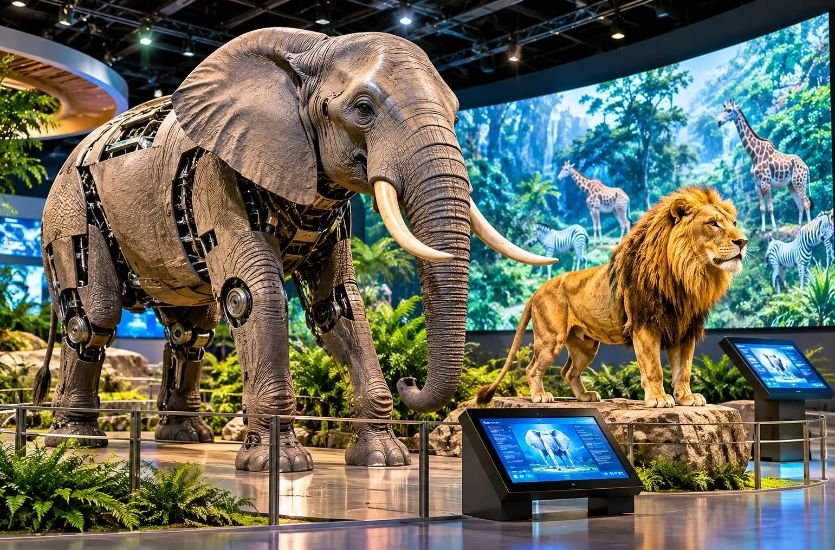
Unlike traditional zoos, which primarily display living animals in managed habitats, artificial zoos focus on recreating the appearance, movements, sounds, and environments of different species through technology. Visitors may encounter a robotic lion that moves its head, a digital elephant that responds to interactive controls, or a virtual jungle containing multiple simulated animals.
The meaning of an artificial zoo can vary depending on its design. Some facilities concentrate on realistic robotic animals, while others use digital environments to provide immersive wildlife experiences. Certain exhibitions combine physical models with advanced projection systems to create educational attractions.
The concept is closely connected to technological innovation, environmental education, and changing attitudes toward animal entertainment. It provides another way to introduce people to wildlife without depending entirely on traditional animal exhibits.
How Does an Artificial Zoo Work?
An artificial zoo operates through a combination of mechanical systems, digital software, sensors, and visual technologies. The specific equipment depends on the experience being developed.
Robotic animals may use motors, mechanical joints, sensors, and programmed movements to imitate the physical behavior of living creatures. Their movements can include walking, turning, blinking, opening their mouths, and producing animal sounds. Designers often use realistic materials and detailed structures to make these models resemble actual species.
Digital artificial zoos operate differently. They use computer-generated environments, projection equipment, interactive screens, and virtual reality systems to present wildlife. Visitors can explore different habitats and observe digitally recreated animals without needing physical animal models.
Some experiences also incorporate artificial intelligence to make digital environments more interactive. AI-powered systems can respond to visitor questions, provide information about animal species, and simulate certain aspects of animal behavior.
By combining these technologies, an artificial zoo can create educational and entertaining experiences that connect wildlife information with modern digital innovation.
Different Types of Artificial Zoos
Artificial zoos can take several forms depending on the technology used and the type of experience they provide. Each approach offers different opportunities for wildlife education and interactive entertainment.
Robotic Zoo
A robotic zoo uses mechanical animals designed to imitate the movements and physical appearance of living creatures. These animals may include elephants, lions, gorillas, dinosaurs, and other species.
Robotic animals generally contain motors, sensors, mechanical components, and electronic controls. These systems allow them to perform programmed movements and sometimes respond to visitors.
The Robot Zoo exhibition at Science World demonstrates this concept by presenting large robotic animals that explain the relationship between animal anatomy, movement, and biomechanics. Such exhibitions combine engineering with biological education.
Virtual Zoo
A virtual zoo uses computer-generated environments to recreate wildlife habitats. Visitors can explore forests, grasslands, oceans, and other ecosystems through screens or virtual reality headsets.
This type of artificial zoo allows people to experience wildlife in digital environments without travelling to actual animal habitats. They can observe different species, explore their surroundings, and learn about their natural characteristics.
Virtual zoos can also introduce visitors to endangered or extinct species that are difficult or impossible to observe in real life.
Holographic Zoo
A holographic zoo uses specialized projection and display technologies to present realistic-looking animal representations. These displays can create three-dimensional visual experiences that make digital creatures appear within physical exhibition spaces.
Visitors may observe digital elephants, marine animals, dinosaurs, and other wildlife through immersive visual presentations.
Holographic animal exhibitions can be useful for explaining animal anatomy, habitats, and environmental relationships. However, the actual visual effect depends on the display technology used.
Augmented Reality Zoo
An augmented reality zoo combines digital animal representations with real-world surroundings. Visitors can use compatible smartphones, tablets, or AR devices to view virtual animals within their physical environment.
For example, a visitor might point a device toward an empty exhibition area and see a digitally created tiger or giraffe appear on the screen. Additional information about the species can also be displayed.
This technology makes wildlife education more interactive by combining real-world observation with digital information.
Animatronic Animal Exhibitions
Animatronic exhibitions feature mechanical figures designed to reproduce animal movements and appearances. These models can imitate breathing, blinking, walking, and other physical actions.
Animatronics are commonly associated with museums, science exhibitions, educational attractions, and themed entertainment environments.
They can help visitors understand the size, structure, and movement of different creatures, particularly prehistoric animals that no longer exist.
Real-World Examples of Artificial Zoo Concepts
Although artificial zoo is a broad descriptive term rather than the name of one internationally standardized institution, several existing projects demonstrate how artificial wildlife experiences work.
The Robot Zoo at Science World
The Robot Zoo exhibition at Science World in Vancouver, Canada, demonstrates how robotic animals can explain biological concepts through mechanical engineering and interactive displays. It features large robotic animal models designed to demonstrate how different animals move and how their physical structures support their natural abilities.
The exhibition uses mechanical engineering to explain biological concepts. Visitors can learn about the relationship between animal anatomy, movement, and physical adaptations.
It represents one of the clearest examples of how robotic animals can make science education more engaging.
Petting Zoo by Minimaforms
Petting Zoo is an interactive robotic art installation created by the design practice Minimaforms. The project explores how robotic creatures can respond to human interaction and their surrounding environments.
Rather than focusing exclusively on traditional animal education, it examines the relationship between people, technology, and artificial living systems.
The project demonstrates how artificial creatures can become interactive elements in exhibitions and creative environments.
Hologram Zoo
Hologram Zoo represents another approach to artificial wildlife entertainment. Holographic animal experiences use specialized visual technologies to present digital creatures in immersive environments.
These attractions demonstrate how visitors can explore wildlife representations without requiring traditional animal enclosures.
The concept also highlights the growing connection between digital entertainment, educational exhibitions, and technological innovation.
Artificial Zoo at Nandankanan Botanical Garden
Nandankanan Botanical Garden in Bhubaneswar, India, provides another relevant example. Its artificial zoo area uses animal models to represent ecological niches and introduce visitors, particularly children, to different aspects of wildlife.
This example shows that the term artificial zoo can also refer to physical animal models used for educational and environmental awareness purposes rather than advanced robotics or virtual reality.
Benefits of an Artificial Zoo
Artificial zoos offer several potential advantages for education, entertainment, and wildlife awareness. Their value depends on the quality of their design and the purpose of the exhibition.
Promotes Animal Welfare
One important advantage of artificial zoos is that robotic and digital animal exhibits do not require living animals to be kept in captivity. This can provide visitors with opportunities to learn about different species without introducing additional animals into managed exhibition environments.
However, artificial zoos should not automatically be considered complete replacements for traditional conservation facilities. Their animal welfare benefits depend on the type of exhibition and the activities it supports.
Improves Wildlife Education
Artificial zoos can make complex biological subjects easier to understand. Interactive displays and robotic models allow students to observe how animals move, how their bodies function, and how different species adapt to their surroundings.
For example, a robotic elephant can demonstrate the movement of its trunk, while a mechanical bird can help explain wing structures and flight mechanisms.
These demonstrations can make scientific concepts more accessible to younger audiences.
Provides Access to Rare and Extinct Species
Some animals are difficult to observe because of their limited populations, remote habitats, or extinction. Artificial zoos can recreate these creatures through robotic models, digital simulations, and detailed visual presentations.
Visitors can learn about extinct dinosaurs, endangered wildlife, and rare marine species without needing access to their natural environments.
Creates Interactive Experiences
Technology-based animal exhibitions can encourage visitors to participate in learning activities rather than simply observing displays.
Virtual reality, augmented reality, touchscreens, and interactive robotic systems can make wildlife education more engaging. These experiences may also encourage children to explore scientific subjects and develop an interest in nature.
Supports Environmental Awareness
Artificial zoos can explain important environmental topics, including habitat destruction, climate change, biodiversity loss, and endangered species protection.
Digital environments can demonstrate how changes in natural habitats affect animal populations. These educational experiences may help visitors understand why wildlife protection and environmental conservation are important.
Challenges and Limitations of Artificial Zoos
Despite their potential benefits, artificial zoos also face practical, technological, and educational challenges.
High Development Costs
Advanced robotic animals, virtual reality systems, and holographic displays can require substantial investment. Creating realistic animal movements and immersive environments involves specialized equipment, software, engineering, and skilled professionals.
Smaller educational organizations may find it difficult to establish and maintain advanced artificial zoo facilities.
Technical Maintenance
Robotic animals and digital systems require regular maintenance to remain functional. Mechanical components can wear out, sensors may require adjustment, and software systems need updates.
Equipment failures can interrupt visitor experiences and increase operating expenses.
Limited Natural Authenticity
Artificial animals cannot fully reproduce the biological complexity of living creatures, a concern also discussed in the research perspective Do Robots Belong in Zoos?, which examines the ethical, educational, and conservation implications of robotic animal exhibits. Although robotic models can imitate certain movements and sounds, they cannot demonstrate the complete range of natural animal behavior.
Traditional zoos and wildlife reserves provide opportunities to observe living animals, including their interactions, feeding patterns, and unpredictable behaviors.
Risk of Inaccurate Information
Poorly designed artificial exhibits may present incorrect information about animal habitats, behavior, or biology. Educational accuracy is therefore important when developing digital wildlife simulations and robotic demonstrations.
Artificial animals should be designed using reliable scientific information to ensure visitors receive meaningful educational experiences.
Limited Direct Conservation Impact
An artificial zoo does not automatically contribute to wildlife protection simply because it presents animal representations. Conservation activities require specific programs, funding, research, and partnerships.
Facilities that want to support conservation should connect their educational activities with credible wildlife protection initiatives.
Artificial Zoo vs. Traditional Zoo
Artificial zoos and traditional zoos provide different types of wildlife experiences. Understanding their differences helps explain why both approaches can serve separate educational and entertainment purposes.
A traditional zoo primarily displays living animals in managed environments. Visitors can observe real creatures, their movements, and certain natural behaviors. These institutions may also participate in scientific research, breeding programs, veterinary care, and wildlife conservation.
An artificial zoo focuses on recreated animal experiences through robotics, digital displays, virtual reality, and physical models. Its primary purpose is generally to provide educational and interactive experiences without depending entirely on living animals.
Traditional zoos require specialized facilities, trained animal-care professionals, veterinary services, and appropriate habitats. Artificial zoos have different operational requirements, including technology maintenance, software development, mechanical engineering, and exhibition management.
Neither approach is automatically superior in every situation. Traditional zoos can contribute directly to animal care and conservation, while artificial zoos can provide alternative ways to introduce people to wildlife.
The most useful approach is to understand their individual strengths and consider how technology-based exhibitions can complement wider wildlife education efforts.
Role of Artificial Intelligence in Artificial Zoos
Artificial intelligence can support the development of more interactive and informative artificial zoo experiences, while its wider applications in technology and business transformation are explored through AI and digital transformation. Although AI and artificial animals are different concepts, they can work together in modern exhibitions.
AI-powered systems can process visitor questions, provide information about different species, and support educational activities. For example, an interactive digital assistant could explain the habitat, diet, migration patterns, and physical characteristics of a particular animal.
Machine learning can also contribute to realistic animal behavior simulations. Developers can use available biological information to create digital representations that demonstrate different movements and environmental responses.
However, artificial intelligence is not limited to artificial zoos. Traditional zoological institutions can also use AI to monitor living animals, recognize individual creatures, and analyze movement patterns.
This distinction is important because AI-powered wildlife monitoring does not necessarily involve robotic or digitally recreated animals.
As these technologies develop, artificial intelligence may become an increasingly useful part of wildlife education and interactive animal exhibitions.
Future of Artificial Zoos
The future of artificial zoos will likely be influenced by developments in robotics, artificial intelligence, virtual reality, augmented reality, and immersive display technologies.
More advanced robotic systems may allow artificial animals to reproduce realistic movements and respond to their surroundings. Improvements in materials and mechanical engineering could also make animal models more detailed and durable.
Virtual reality may provide visitors with opportunities to explore wildlife habitats from different geographical regions. People could experience a simulated African safari, observe marine ecosystems, or explore a tropical rainforest through immersive digital environments.
Artificial intelligence may further improve interactive learning by allowing visitors to ask questions and receive explanations about animal species, ecosystems, and conservation challenges.
Educational institutions, museums, science centres, and entertainment facilities may find additional opportunities to use artificial wildlife exhibits in their programs.
Nevertheless, the future development of artificial zoos will depend on more than technological progress. Educational accuracy, visitor engagement, accessibility, operational costs, and meaningful environmental awareness will remain important factors.
Artificial zoos are therefore best understood as an additional approach to wildlife education rather than a guaranteed replacement for traditional zoological institutions.
Frequently Asked Questions About Artificial Zoo
What is an artificial zoo?
An artificial zoo is a wildlife-themed environment that presents animals through robotic models, digital simulations, holographic displays, virtual reality, or other artificial technologies. It provides educational and entertainment experiences without relying entirely on living animals.
Are artificial zoos real?
Yes, artificial zoo concepts already exist in different forms. Robotic animal exhibitions, interactive installations, holographic wildlife attractions, and educational animal model displays demonstrate how artificial wildlife experiences are developed.
What technologies are used in an artificial zoo?
Artificial zoos can use robotics, animatronics, artificial intelligence, virtual reality, augmented reality, holographic projections, sensors, and computer-generated environments.
Is an artificial zoo better than a traditional zoo?
Both have different advantages. Artificial zoos can provide wildlife experiences without keeping additional live animals, while traditional zoos allow visitors to observe living creatures and may support animal welfare, research, and conservation programs.
Can artificial zoos help protect endangered animals?
Artificial zoos can support conservation awareness by teaching visitors about endangered species and environmental challenges. However, their direct contribution to wildlife protection depends on whether they participate in genuine conservation activities.
Do artificial zoos use real animals?
Many artificial zoo experiences rely on robotic animals, digital representations, and physical models rather than living creatures. However, the specific arrangement depends on the individual facility or exhibition.
What is the difference between a virtual zoo and an artificial zoo?
A virtual zoo primarily uses digital environments and computer-generated animals, often through screens or VR systems. An artificial zoo is a broader concept that can include virtual experiences, robotic animals, holograms, and physical animal models.
Conclusion
The artificial zoo concept demonstrates how technology can create new ways to experience, understand, and learn about wildlife. By combining robotics, animatronics, artificial intelligence, virtual reality, and digital displays, these environments provide alternatives to conventional animal exhibitions.
From robotic animal demonstrations to virtual safaris and holographic wildlife experiences, artificial zoos can make scientific education more interactive and accessible. They also create opportunities to introduce visitors to rare and extinct species while encouraging discussions about animal welfare and environmental protection.
Although artificial zoos have limitations and cannot fully reproduce the experience of observing living animals, they offer an interesting direction for the future of wildlife education. Their long-term value will depend on how effectively technology is used to promote scientific understanding, responsible entertainment, and greater awareness of the natural world.