









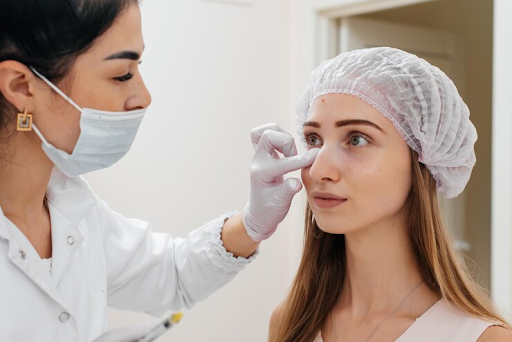
Many people now choose minor aesthetic tweaks over invasive surgery to refresh their appearance. If you are considering a subtle change, options like a non surgical rhinoplasty in Cambridge offer a fast, accessible way to reshape your profile without the downtime of a traditional operation. Indeed, the rise of non surgical procedures has transformed the beauty industry, making treatments like dermal fillers and wrinkle-relaxing injections standard options for self-care. However, before booking an appointment, you must understand how these treatments perform over time. Knowing what to expect regarding longevity and potential side effects helps you make informed decisions about your aesthetic journey and ensures you achieve safe, satisfying results.
The Mechanics of Temporary Enhancements
To appreciate how temporary treatments work, you must understand the science behind the products injectors use. Most modern facial enhancements rely on hyaluronic acid, a naturally occurring sugar chain in the human body that attracts and retains moisture. When injected into specific dermal layers, hyaluronic acid adds immediate volume, lifts sagging tissue, and smooths deep creases. Because the body recognises this substance, the risk of an allergic reaction remains incredibly low.
How the Body Absorbs Fillers
Over time, your natural metabolism breaks down the injected product. Enzymes called hyaluronidase slowly dissolve the hyaluronic acid, causing the treated area to return to its original shape gradually. This temporary nature is highly appealing because it allows for adjustments as your face ages and your aesthetic preferences change.
Other injectable treatments use different materials, such as calcium hydroxylapatite or poly-L-lactic acid, which stimulate your body to produce its own collagen. While these stimulators provide longer-lasting structural support, they still degrade eventually. Understanding this metabolic breakdown is crucial because it means these enhancements require ongoing maintenance. Unlike permanent surgery, which alters bone and cartilage structures forever, these treatments offer a flexible, reversible approach to facial rejuvenation that adapts to your natural ageing process.
Longevity: How Long Do Results Actually Last?
The lifespan of a facial enhancement depends heavily on the product used, the injection site, and your individual metabolic rate. Highly active areas of the face, such as the lips, move constantly during talking and eating, meaning fillers there typically last between six and nine months. In contrast, areas with minimal movement, such as the cheeks or the bridge of the nose, retain product for much longer.
Anatomy and Product Density
For instance, a patient receiving a non surgical rhinoplasty in Cambridge can expect the results to remain visible for twelve to eighteen months. Because the nose does not experience constant muscular movement, the dense, highly cohesive dermal filler remains stable for an extended period.
Your lifestyle also plays a significant role in how quickly your body metabolises these treatments. Regular high-intensity exercise, frequent sun exposure, and smoking can accelerate the breakdown of fillers. Additionally, first-time patients often notice that their initial treatment fades slightly faster than subsequent top-ups. This occurs because the tissue requires a baseline level of product integration. Planning a realistic maintenance schedule with your practitioner ensures that you maintain your desired look without overfilling the face, which can lead to an unnatural, puffy appearance over time.
Understanding the Risks and Safety Profiles
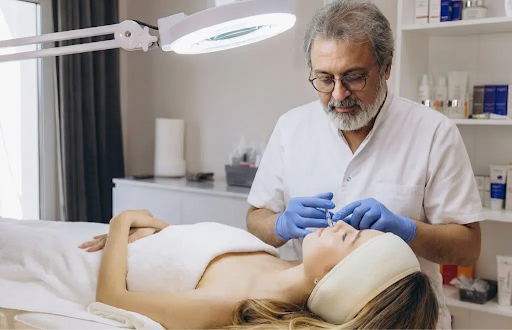
While the lack of scalpels and general anaesthetic makes these options highly attractive, no cosmetic treatment is entirely without risk. Common, minor side effects include localised swelling, redness, and mild bruising around the injection sites. These issues generally resolve within a few days and can be managed easily with cold compresses and basic aftercare.
Addressing Rare Complications
However, more serious complications can occur if the treatment is administered incorrectly. The most critical risk associated with dermal fillers is vascular occlusion, which happens when product is accidentally injected into a blood vessel, blocking blood flow. If left untreated, vascular occlusion can lead to tissue necrosis or, in extremely rare cases involving the eye area, vision loss.
Fortunately, qualified medical professionals carry an enzyme called hyaluronidase, which immediately dissolves hyaluronic acid fillers to restore blood flow if a blockage occurs. This emergency treatment highlights why choosing a regulated medical clinic is vital. Non surgical procedures require a deep knowledge of facial anatomy, including the complex network of veins and arteries beneath the skin. Understanding these risks should not deter you from seeking treatment, but it should emphasise the absolute necessity of prioritising safety over cheap, discounted offers from unqualified injectors.
Choosing the Right Practitioner and Clinic
Minimising risks and achieving beautiful, natural results depends entirely on the skill of your chosen practitioner. The aesthetic market remains under-regulated in some regions, meaning anyone can buy online fillers and offer treatments without medical training. To protect your health, you must thoroughly research clinics and verify the credentials of your injector.
What to Look For in a Clinic
When searching for a provider to perform a non surgical rhinoplasty in Cambridge, look for registered medical professionals, such as doctors, dentists, or nurse prescribers. These individuals possess the anatomical training required to avoid complications and are legally permitted to prescribe corrective medications if issues arise.
During your initial consultation, ask about their experience with non surgical procedures and request to see before-and-after photographs of their actual patients. A reputable clinic will always conduct a thorough medical history check, explain the potential risks honestly, and provide a clear, written aftercare plan. They should never pressure you into making a decision on the spot. By choosing a qualified professional who operates in a clean, clinical environment, you ensure that your aesthetic journey is both safe and highly successful, giving you peace of mind alongside your refreshed appearance.
Conclusion
Non-surgical facial enhancements offer a highly effective, flexible way to refine your features and boost your confidence without the commitment of major surgery. Whether you opt for dermal fillers to reshape your profile or select other targeted treatments to restore youthful volume, understanding the longevity and risks involved is key to a positive experience. While these temporary treatments provide beautiful results, they require ongoing maintenance and must be performed by qualified medical professionals to ensure your safety. By prioritising clinical expertise and realistic expectations, you can enjoy the many benefits of modern aesthetic medicine with complete confidence and peace of mind.