









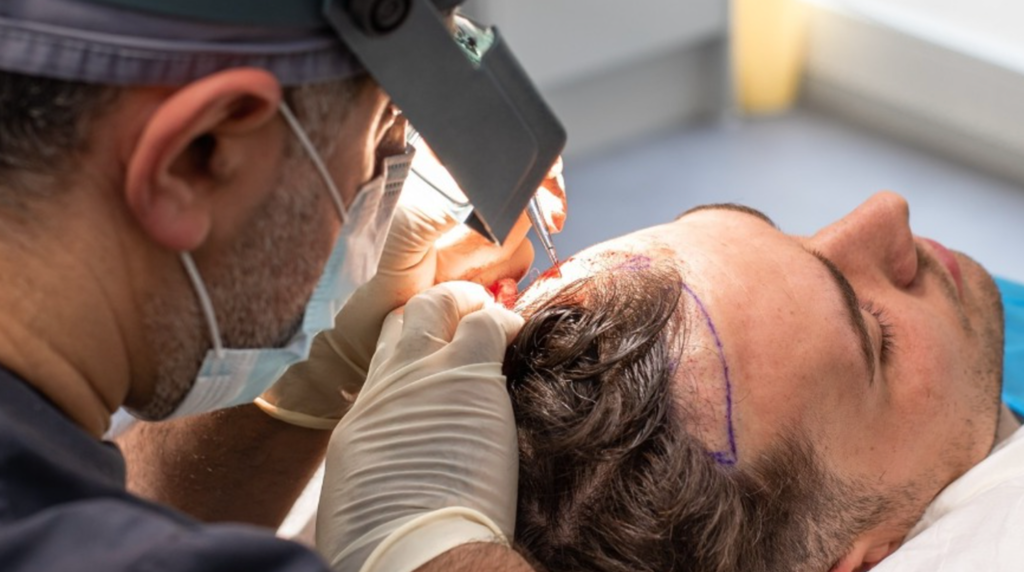
For individuals experiencing advanced hair loss, finding a permanent, natural-looking solution is a top priority. Many people seeking a premium hair transplant in London find themselves torn between two primary surgical methods: Follicular Unit Extraction (FUE) and Follicular Unit Transplantation (FUT). While clinics often present these techniques as mutually exclusive options, combining them offers a powerful alternative. This advanced approach allows surgeons to harvest a higher number of healthy follicles in a single session. By understanding how these procedures work in tandem, patients can make informed decisions about restoring their hairline and achieving maximum density. Let us examine how this dual strategy is changing the standards of modern hair restoration.
Demystifying FUE and FUT Techniques
To appreciate the benefits of a combined procedure, one must first understand how each method operates individually. Follicular Unit Transplantation, often called the strip method, involves removing a small strip of donor skin from the back of the scalp. Specialists then dissect this strip under high-powered microscopes to isolate individual follicular units. This method is highly efficient for harvesting a large volume of grafts in a short period, leaving a fine, linear scar that is easily concealed by longer hair.
In contrast, Follicular Unit Extraction involves harvesting individual hair follicles directly from the donor area using a specialised micro-punch tool. This technique leaves tiny, dot-like scars scattered across the scalp, making it virtually undetectable even with short haircuts. While FUE offers excellent flexibility and a faster initial healing time, it can sometimes yield fewer total grafts if the donor area is over-harvested.
By utilising both methods, surgeons can bypass the limitations of each individual technique. Patients undergoing a combined FUE and FUT hair transplant in London benefit from the high-density yield of strip harvesting alongside the precision and outer-boundary refinement of individual follicle extraction. This strategic combination ensures that the donor site remains healthy while providing the maximum possible coverage for the recipient areas.
How Combining Methods Maximises Graft Yield
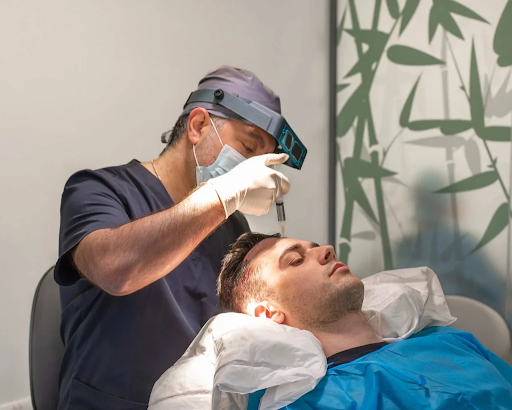
The primary goal of any hair restoration procedure is to obtain enough viable grafts to cover the balding areas adequately. For patients with extensive hair loss, a single method might not yield enough follicles. This is where a combined FUE and FUT hair transplant in London becomes invaluable. By performing both techniques in a single clinical plan, surgeons can harvest upwards of 4,000 to 5,000 grafts in what is often termed a mega-session.
During the first phase of this joint procedure, the surgeon performs the FUT harvest. This secures a large block of robust follicles from the mid-donor zone, where hair is genetically programmed to resist thinning. Once the strip is removed and the wound is closed, the surgeon uses FUE to extract additional grafts from the areas above and below the strip scar.
This approach prevents the over-harvesting of any single zone. If a surgeon attempted to extract 5,000 grafts using FUE alone, they would risk thinning the donor area to a point where it looks patchy or translucent. Conversely, relying solely on FUT might require a wider strip than the patient’s scalp elasticity allows. Combining the two preserves donor density while delivering the high graft counts necessary for a successful hair transplant in London, especially for individuals with advanced male pattern baldness.
Ideal Candidates for a Dual-Harvest Procedure
This dual-harvest methodology is not necessary for everyone. Patients experiencing minor recession or early-stage thinning generally achieve outstanding results using FUE alone. However, individuals classified as Norwood Scale 5, 6, or 7 are prime candidates for this comprehensive approach. These patients have large areas of baldness on the crown and hairline, requiring a vast number of grafts that a single session of FUE cannot safely provide.
Another critical factor is scalp elasticity. A successful FUT procedure relies on a supple scalp that can heal comfortably after the donor strip is removed. If a patient has tight scalp skin but requires significant coverage, combining a smaller FUT strip with FUE extraction allows the surgeon to meet the graft target without putting excessive tension on the donor wound.
Additionally, patients who have previously undergone a hair restoration procedure and have limited donor hair left can benefit from this hybrid technique. Experienced surgeons performing a hair transplant in London assess the donor area carefully to determine if a combined approach can safely bypass previous scar tissue. This meticulous planning ensures that even patients with severe hair loss can achieve significant, natural-looking density without compromising the long-term health of their donor hair.
The Recovery Process and Long-Term Care
Understanding the recovery timeline helps patients prepare for the days following their procedure. Because a combined procedure involves two different harvesting techniques, the healing process requires a balanced care routine. The FUT linear incision at the back of the head is typically closed with sutures or staples, which a clinician removes after ten to fourteen days. Meanwhile, the tiny puncture sites from the FUE extraction heal rapidly, usually closing up within forty-eight hours.
Patients must follow strict post-operative guidelines to protect the newly implanted grafts. Sleeping with the head elevated on extra pillows for the first week reduces swelling. It is also essential to avoid touching, scratching, or washing the recipient area aggressively during the critical first ten days, as the grafts need time to anchor firmly into the scalp.
Most individuals can return to light desk work within a week, though strenuous exercise and heavy lifting must be avoided for at least a fortnight to prevent tension on the FUT scar. Over the next three to six months, the transplanted hairs will shed before entering a new growth cycle. Visible improvements typically emerge around the six-month mark, with the final, dense results fully maturing between twelve and eighteen months after the surgery.
Conclusion
Choosing the right hair restoration method is a significant decision that impacts your appearance and confidence for years to come. For those dealing with extensive hair loss, combining FUE and FUT techniques provides a highly effective pathway to restoring full density. This hybrid approach maximises the available donor hair without over-exploiting the scalp, offering a safe and reliable solution. By consulting with a qualified specialist to discuss a combined FUE and FUT hair transplant in London, you can establish a tailored surgical plan that addresses your specific goals. With the right expertise and post-operative care, achieving a natural, dense hairline and long-lasting hair restoration is entirely within reach.