

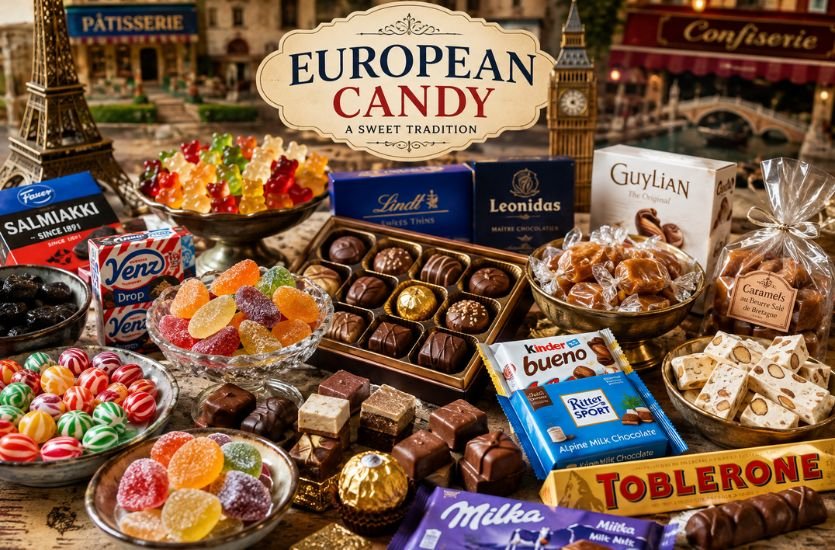
European candy is more than a colorful collection of gummies, chocolates, caramels, and hard sweets. It is a reflection of centuries of culinary traditions, regional ingredients, craftsmanship, and changing consumer tastes. From Germany’s famous gummy bears and Scandinavia’s distinctive licorice to Belgium’s celebrated chocolates and France’s elegant confectionery, European candy offers an extraordinary variety of flavors and textures.
Whether you are searching for the best European candy, exploring traditional European sweets, or simply wondering how European candy differs from American confectionery, Europe provides a fascinating world to explore.
Quick Bio: European Candy
| Category | Details |
|---|---|
| Subject | European candy and confectionery |
| Region | Europe |
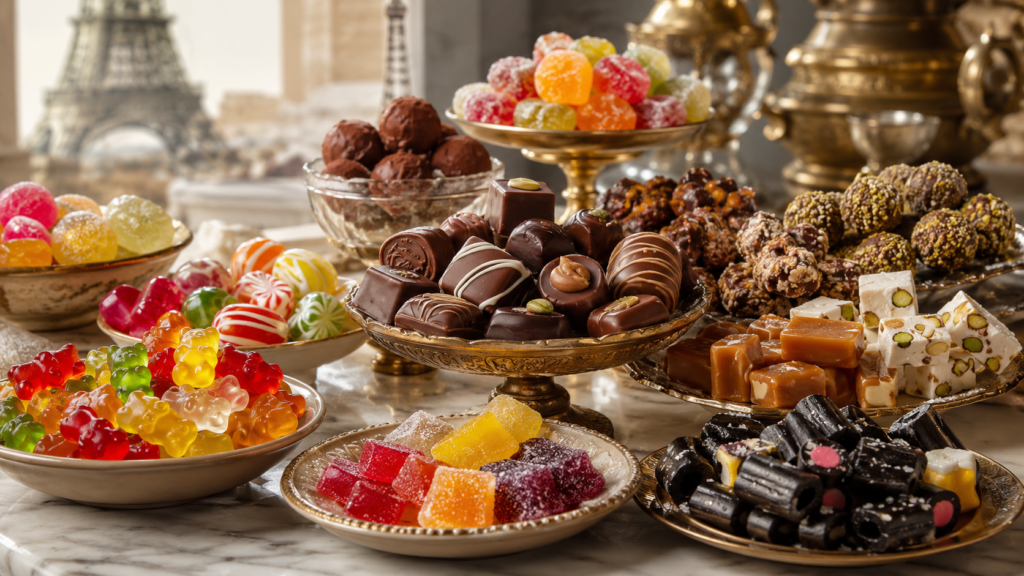
| Main categories | Gummies, chocolates, hard candy, licorice, caramel, toffee, nougat, pralines and jellies |
| Famous traditions | German gummies, Belgian chocolate, French pralines, Italian chocolate and Scandinavian licorice |
| Popular flavors | Fruit, chocolate, caramel, mint, coffee and nuts |
| Modern trends | Vegan, reduced-sugar, premium, natural ingredients and innovative flavors |
| Major markets | Germany, France, United Kingdom, Italy, Spain, Belgium and the Netherlands |
| Cultural importance | Traditional treats, celebrations, gifting and everyday snacking |
What Is European Candy?
European candy is a broad term describing sweets and confectionery produced and enjoyed throughout European countries. Unlike a single national cuisine, European confectionery represents many regional traditions.
The category includes everything from chewy gummies and fruit jellies to sophisticated pralines, chocolate truffles, hard candies, caramels, nougat, and licorice.
What makes European sweets particularly interesting is the influence of local food culture. Ingredients and production techniques can change dramatically from one country to another. A candy lover traveling across Europe can encounter sweet, sour, creamy, nutty, fruity, spicy, and even salty flavors.
That diversity is one of the biggest reasons European sweets and chocolates have developed such a strong international following.
Why Is European Candy So Popular?
Imagine opening a European candy box and discovering that every piece offers a different experience. One may be soft and fruity, another crunchy and nutty, while another combines rich chocolate with caramel.
That variety is central to European confectionery culture.
European candy has become popular internationally because of several factors:
- Long-established confectionery traditions
- High-quality ingredients
- Strong chocolate-making heritage
- Distinctive regional flavors
- Creative shapes and textures
- Premium and artisanal products
- Seasonal confectionery traditions
- Increasing availability through international retailers and online stores
European manufacturers are also adapting to modern consumers. Vegan formulas, reduced-sugar products, natural ingredients and unusual flavor combinations are increasingly visible in confectionery innovation.
A Brief History of European Confectionery
The history of European sweets stretches back centuries.
Early European confectioners worked with ingredients such as honey, nuts, fruits and spices. As sugar became more accessible, confectionery techniques developed and sweets became increasingly sophisticated.
Chocolate transformed European confectionery after cacao reached Europe from the Americas. Countries such as Belgium, France, Switzerland and Italy subsequently developed influential chocolate-making traditions.
Over time, industrial manufacturing made candy more affordable and widely available. At the same time, European artisan confectioners continued producing regional specialties using traditional techniques.
This combination of mass-market European candy brands and artisanal sweets remains one of the defining characteristics of the modern European candy industry.
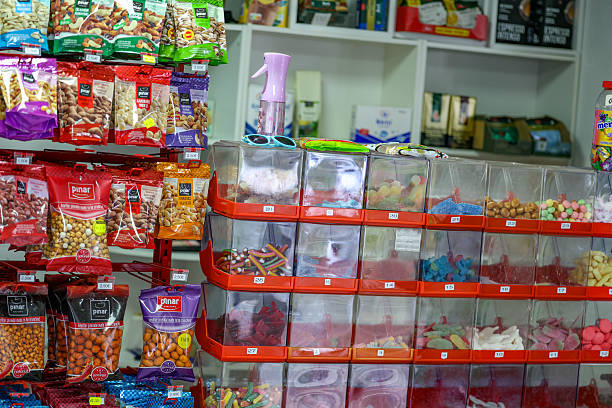
Popular Types of European Candy
European candy cannot be reduced to one flavor or texture. Its strength lies in its diversity.
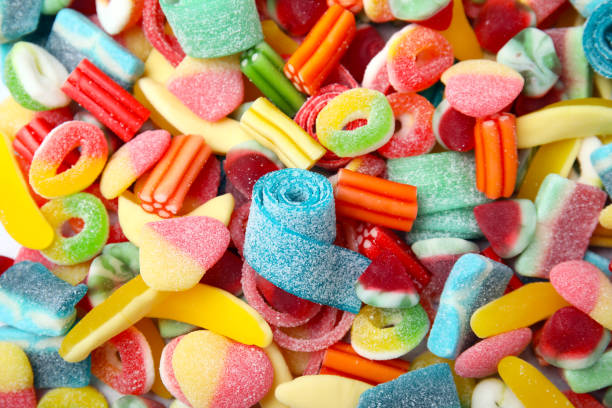
1. European Gummy Candy
Gummies are among the most recognizable forms of European candy.
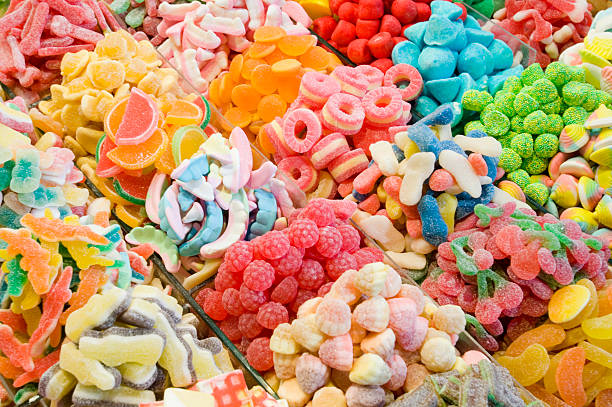
Germany is particularly important to gummy culture, with gummy bears becoming one of the world’s best-known sweets. Today, European gummy candy comes in countless shapes, flavors and textures.
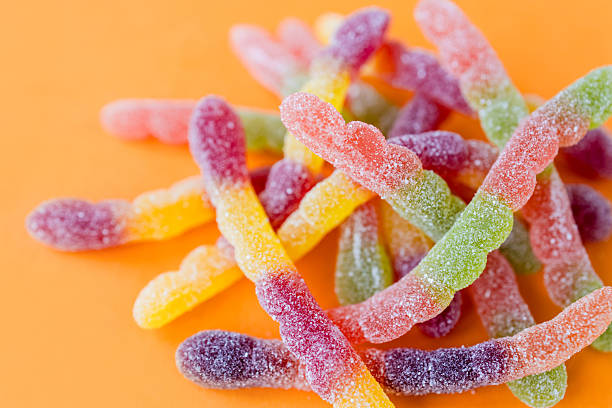
Fruit gummies, sour gummies, gummy rings, gummy worms and novelty-shaped sweets are popular across European markets.
2. European Chocolate
Chocolate is arguably the most internationally recognized part of European confectionery.
Belgian, Swiss, French and Italian chocolate traditions have become closely associated with premium European sweets. European chocolate products range from everyday chocolate bars to luxury pralines and hand-crafted truffles.
Dark chocolate, milk chocolate, white chocolate, hazelnut, almond and pistachio varieties are particularly important in modern confectionery.
3. European Licorice
For newcomers to European sweets, licorice can be one of the biggest surprises.
Northern European countries have particularly strong licorice traditions. Some varieties are sweet and mild, while others are intensely salty.
Salty licorice, often associated with Scandinavia and parts of Northern Europe, is famous for its distinctive taste and is an important part of regional candy culture.
4. European Hard Candy
Hard candy remains another classic category.
Fruit drops, mint candies, herbal sweets, and flavored boiled candies are available throughout Europe. Some are designed as everyday treats, while others are connected to traditional regional recipes.
5. Caramel and Toffee
Caramel and toffee add rich, buttery flavors to the European confectionery landscape.
They can appear as standalone candies, chocolate fillings, dessert toppings, or ingredients in mixed confectionery products.
6. European Nougat
Nougat has a particularly strong presence in Mediterranean confectionery traditions.
Depending on the region, it can contain almonds, hazelnuts, honey, and other ingredients. Its texture can range from soft and chewy to firm and crunchy.
7. Pralines and Filled Chocolates
Pralines represent the more luxurious side of European confectionery.
Belgian and French traditions are particularly well known for sophisticated chocolate and praline products. These sweets often combine chocolate with nuts, caramel, cream, or fruit-based fillings.
Famous European Candy by Country
The most exciting way to understand European candy is to travel across the continent through its sweets.
Germany: Gummy Bears and More
Germany has a particularly strong reputation for gummies and sugar confectionery.
Gummy bears are perhaps the country’s most internationally recognizable candy contribution. German confectionery also includes licorice, chocolate, fruit sweets, and numerous seasonal products.
Germany is also one of Europe’s major confectionery markets and manufacturing centers.
Belgium: Chocolate and Pralines
Belgium is synonymous with premium chocolate.
Belgian confectioners are particularly associated with pralines, truffles, filled chocolates, and beautifully presented gift boxes.
For anyone creating a list of best European candy, Belgian chocolate deserves a prominent place.
France: Elegant and Artisanal Sweets
French confectionery often emphasizes craftsmanship and presentation.
Pralines, chocolate specialties, caramels and regional sweets demonstrate the country’s connection between confectionery and fine food culture.
French candy can be particularly appealing to consumers who prefer sophisticated flavors and artisanal presentation.
Italy: Chocolate, Hazelnuts and Pistachios
Italian confectionery frequently combines chocolate with nuts.
Hazelnuts, almonds and pistachios are important ingredients in many Italian sweets, while dark and bittersweet chocolate also remain popular.
Italy’s confectionery culture includes both everyday treats and premium products associated with regional traditions.
Denmark and Scandinavia: The World of Licorice
Scandinavian candy culture stands apart because of its love of licorice.
Sweet licorice is popular, but salty varieties provide the most distinctive experience. For visitors unfamiliar with the flavor, salty licorice can be surprisingly intense.
This unusual flavor profile is one reason Scandinavian candy has developed a dedicated international following.
Austria: Classic Confectionery Traditions
Austria has a long history of chocolate and confectionery production.
One internationally recognizable Austrian candy is PEZ, which originated in Vienna in 1927 and later became famous for its distinctive collectible dispensers.

European Candy Brands
The European confectionery industry includes numerous internationally recognized companies and brands.
Some names commonly associated with European confectionery include:
- Haribo
- Kinder
- Milka
- Lindt
- Ferrero
- Ritter Sport
- Toblerone
- PEZ
- Fazer
- Smarties
However, Europe’s confectionery landscape extends far beyond internationally recognized brands. Local chocolatiers, independent candy makers, and regional manufacturers produce thousands of products that may never achieve global recognition.
This is part of what makes exploring European candy brands so interesting: a supermarket in one country may contain sweets that are unfamiliar to consumers elsewhere in Europe.

European Candy vs. American Candy
European and American candy markets share many categories, but there can be noticeable differences in formulation, flavor preferences, packaging and product positioning.
European confectionery often emphasizes regional traditions, premium ingredients and distinctive flavors. American candy culture also has a strong emphasis on novelty, large-format products and bold flavor combinations.
There is no universal rule that one is better than the other. Taste preferences are personal, and both markets contain everything from inexpensive everyday sweets to premium confectionery.
For curious consumers, comparing European candy vs. American candy can be an enjoyable way to discover differences in texture, sweetness, and flavor.
Modern European Candy Trends
The European candy industry is not standing still.
Today’s consumers increasingly want indulgence combined with transparency, convenience, and new experiences.
Vegan European Candy
Plant-based confectionery has become increasingly visible in European product innovation.
Vegan gummies and jellies can replace traditional animal-derived ingredients with plant-based alternatives, making them suitable for consumers following vegan diets.
Reduced-Sugar Candy
Sugar reduction is another important trend.
Manufacturers are experimenting with reduced-sugar and no-added-sugar formulations while attempting to preserve the texture and taste consumers expect from candy.
Premium European Candy
Premiumization has also become important.
Consumers are increasingly attracted to:
- High-quality ingredients
- Artisanal production
- Elegant packaging
- Limited editions
- Unique flavor combinations
- Handmade chocolates
- Gourmet gift boxes
Unusual Flavors and Textures
European candy innovation increasingly focuses on sensory experiences.
Sweet-and-salty combinations, sour flavors, fruit-and-herb pairings, layered fillings and contrasting textures can turn an ordinary candy into a more memorable experience.
European Candy for Holidays and Celebrations
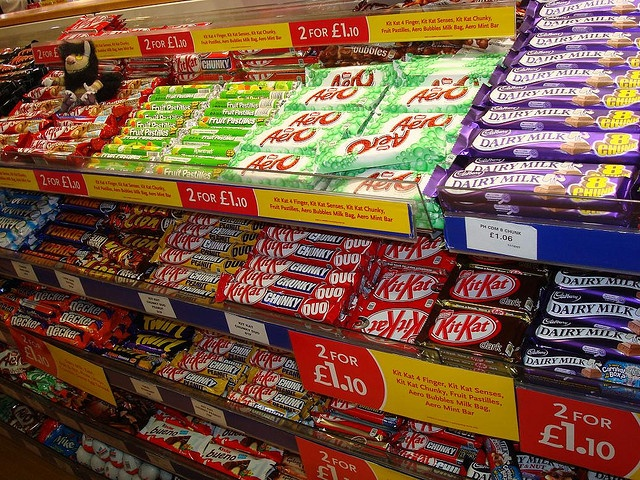
Candy is deeply connected with European celebrations.
Christmas brings chocolates, gift boxes, seasonal sweets and special confectionery assortments. Easter is strongly associated with chocolate eggs, chocolate bunnies, and other themed treats.
Other occasions, including Valentine’s Day and Halloween, also generate seasonal confectionery demand.
These occasions demonstrate that European candy is not simply a snack. It can also be part of family traditions, celebrations, gifts and cultural rituals.
Why People Buy European Candy Online
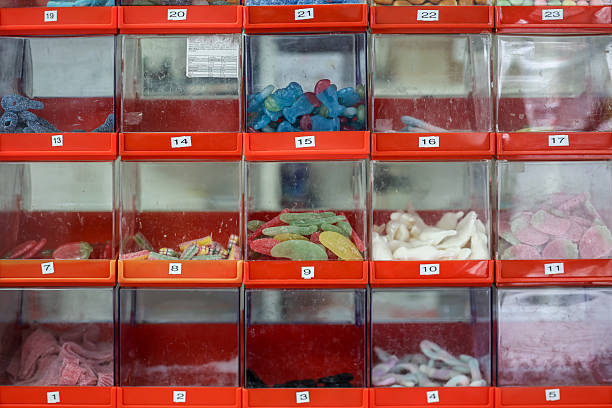
International consumers can now discover European candy online without traveling across the continent.
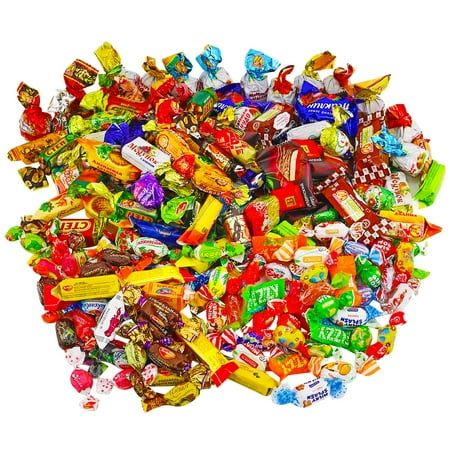
Online specialty stores and international retailers make it possible to purchase mixed European candy boxes containing products from several countries.
This has helped consumers discover:
- German gummies
- Belgian chocolates
- Scandinavian licorice
- Italian chocolate
- French sweets
- Austrian candy
- Regional European specialties
For first-time buyers, mixed boxes can be a convenient way to sample different European candy categories.
How to Choose the Best European Candy
The “best” European candy depends on your taste.
If you love fruity and chewy sweets, start with European gummy candy. Chocolate lovers may prefer Belgian, Italian, or other premium European chocolates. Those interested in unusual flavors can explore Scandinavian salty licorice.
For gifts, premium chocolate assortments and beautifully packaged European candy boxes can be especially appealing.
The best approach is to treat European confectionery as a tasting experience rather than searching for one universal winner.
Frequently Asked Questions
What is European candy?
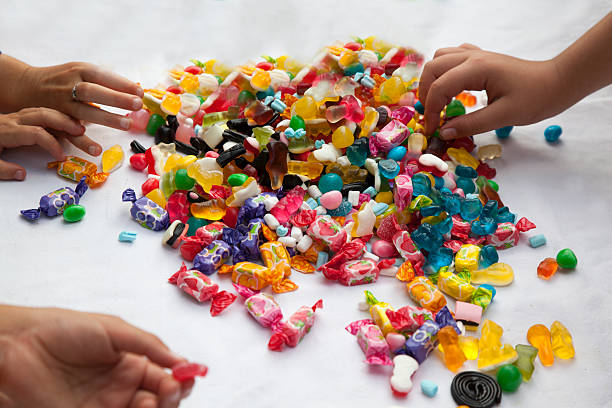
European candy refers broadly to confectionery produced and enjoyed across European countries, including gummies, chocolates, licorice, hard candy, caramel, nougat, pralines and fruit sweets.
What is the most popular European candy?
There is no single candy that is universally the most popular across Europe. Gummies, chocolate confectionery, licorice, and other traditional sweets are major categories.
What European country is famous for candy?
Several countries are famous for different types of confectionery. Germany is strongly associated with gummy candy, Belgium with chocolate, France with artisanal confectionery, Italy with chocolate and nuts, and Scandinavian countries with licorice.
What is a famous German candy?
Gummy bears are among the most famous German candy products internationally.
What is European candy known for?
European candy is known for its variety, regional traditions, chocolate craftsmanship, distinctive flavors, artisanal products, and innovative confectionery.
Is European candy different from American candy?
It can be. Differences may occur in sweetness, ingredients, flavors, textures, packaging, and traditional preferences, although both regions produce many similar categories.
What are some popular European candy brands?
Well-known names associated with European confectionery include Haribo, Kinder, Milka, Lindt, Ferrero, Ritter Sport, Toblerone, PEZ and Fazer.
Final Thoughts
European candy is essentially a sweet map of the continent.
Every region contributes something different. Germany brings iconic gummies, Belgium offers celebrated chocolate traditions, France adds elegant confectionery, Italy combines chocolate with nuts, and Scandinavia brings a distinctive world of licorice.
Yet the story does not end with traditional sweets. Modern European candy is evolving through vegan recipes, reduced-sugar formulations, premium ingredients, unusual flavors, and innovative textures.
That combination of heritage and innovation is what makes European sweets so fascinating. Whether you are searching for the best European candy, building a European candy box, exploring European candy brands, or simply looking for something new to taste, Europe’s confectionery tradition offers an almost endless selection of sweet discoveries.