









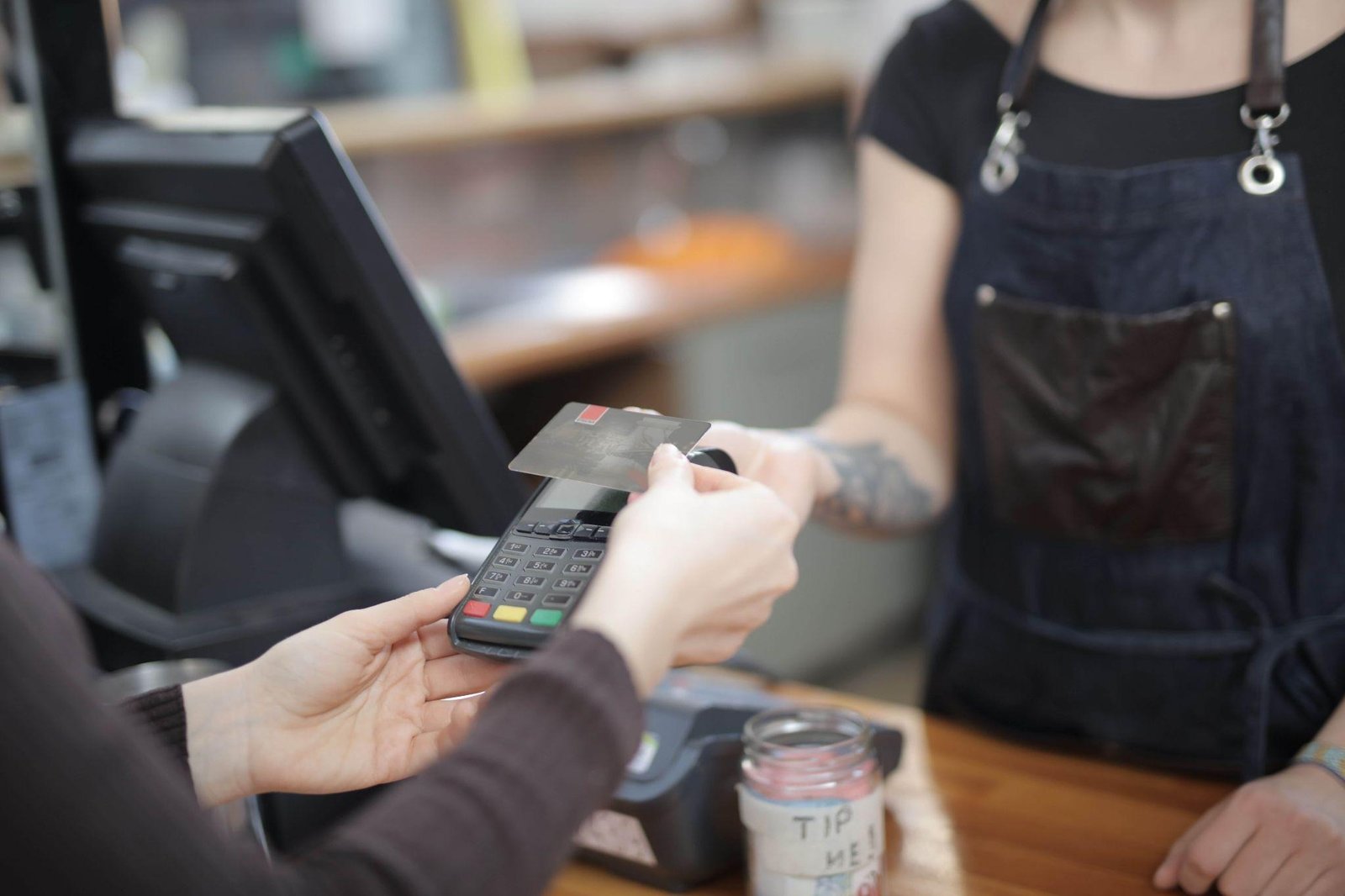
Take a walk through any British high street, and what will you see? No more sounds of coins and notes being counted out. Card readers have taken the place of cash registers. It is a great development for many consumers who find it easier to pay this way. But there is a part of the population that is being impacted by the development.
It is important to understand it not only from a social point of view but as a customer base with spending power.
The Era of Cashless Retail
Usage of cash in UK shops has been declining for over a decade, and it has accelerated drastically due to the pandemic. Contactless payments have become a new norm, and many retailers were glad to do away with cash payments. Indeed, one in seven UK shops ditched cash recently and chose card readers instead.
Even major supermarkets, coffee shops, and market stalls have moved towards digital payments. There are clear reasons why they did it – cash payments require additional costs associated with storing cash and depositing it to the bank. Also, checkouts are faster and accounting becomes much easier. It seems like the best solution for efficient business.
Impact on Older Consumers
But this change has a price for some customers. Those who are not accustomed to using contactless cards or digital wallets may face troubles with purchasing things. The inability to use smartphones or the internet may turn a simple shopping trip into a complicated task.
But it is not just a minor inconvenience. For many older people, the ability to go to the shop independently is a sign of freedom and the opportunity to get some social contact every day. Without this possibility, the problem of isolation may appear.
There is a financial side of the issue as well. Special cashless promotions, discounts via apps, and loyalty programmes available only to users of digital accounts exclude those who cannot use them. Thus, it may happen that those who lack financial freedom become deprived of some financial benefits.
Privacy is another issue here. When a person uses digital payments, his or her purchases leave traces in the form of data which may be stored and used. Cash provides the same anonymity that was available to older consumers for decades.
What Should Be Changed?
To provide better services to older customers, the retailers do not need to give up digital payments. One of the simplest steps is to provide the option of using cash in the shop. Even if it means only providing separate checkouts for cash or opening them only at certain times, it will make a great difference for those customers.
As a shop owner, you can also lead the charge on informing older generations and helping them to understand how modern card machines improve security and lead to simpler payments for all. If they know their card payments support you as a business, they may be more willing to adapt.
Community groups and families should also take part in this process. Just helping a relative to register in a banking app or going together to the first contactless checkout may help customers to adapt to the new reality. If older generations can be helped to understand the simplicity and benefits of modern card machines, they may be ready to take this step.
Service for Every Customer
A high street without cash may seem convenient to most customers, but it may leave some behind. British businesses that want to be both competitive and inclusive should think twice before moving to the cashless model.
Providing services for older customers does not mean resistance to innovation. It means providing good services to customers.