









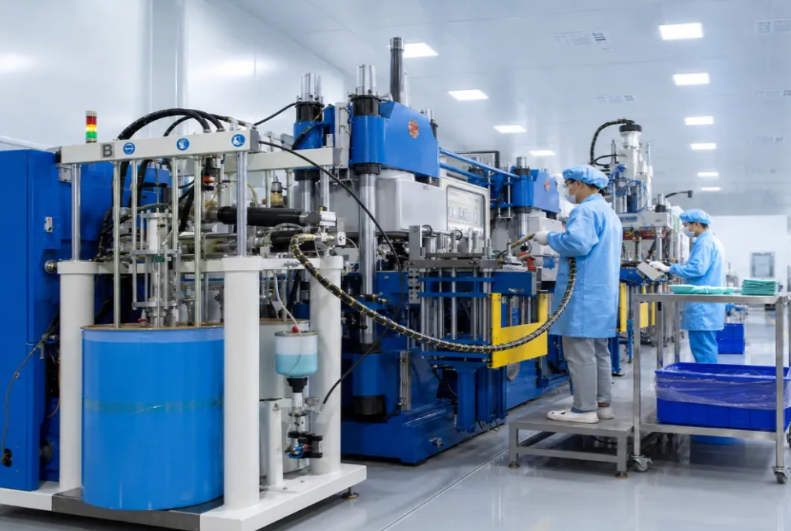
When a business needs silicone components that fit a specific product design, standard off-the-shelf options may not be enough. Working with an experienced silicone manufacturer makes it possible to develop custom silicone products based on exact dimensions, materials, colors, textures, and functional requirements.
Silicone is used across many industries because it can be processed into different shapes and designs while offering useful performance characteristics. From kitchen accessories and consumer products to automotive components, medical parts, seals, and pet products, custom silicone manufacturing gives brands greater control over the final product.
What Does a Silicone Manufacturer Do?
A silicone manufacturer specializes in designing, molding, processing, and producing silicone components and finished products. Manufacturers can work from an existing product sample, technical drawing, CAD file, or basic concept.
The production process can include material selection, mold development, prototyping, molding, finishing, inspection, and packaging. By working with one manufacturing partner throughout the process, businesses can keep product specifications consistent from development to larger production runs.
Turning Product Ideas Into Physical Components
A custom silicone product often starts with an idea or drawing. The manufacturer reviews the design and considers factors such as dimensions, wall thickness, flexibility, surface texture, and molding requirements.
This early evaluation can help identify potential production issues before the mold is created. Adjustments at this stage can save both time and development costs.
Why Choose Custom Silicone Products?
Every product has different requirements. A standard silicone component may have the right general shape but still fail to fit a specific assembly or brand design.
Custom silicone products allow companies to create components around their own requirements.
Flexible Design Options
Custom manufacturing supports a wide range of shapes, sizes, colors, and surface finishes. Logos, markings, textures, grooves, openings, and other design elements can also be incorporated into the product depending on the molding method.
This flexibility is particularly useful for brands that want products to have a recognizable appearance.
Different Material Options
A silicone manufacturer can recommend an appropriate silicone formulation according to the intended application. Factors such as hardness, flexibility, temperature exposure, chemical contact, and compression requirements may influence material selection.
For example, a soft silicone may be suitable for flexible consumer products, while a different formulation may be selected for industrial components.
Common Manufacturing Methods for Silicone Products
The production method depends on the product design, material, quantity, and application.
Liquid Silicone Rubber Molding
Liquid Silicone Rubber (LSR) molding is commonly used for precision silicone components. The material is processed in a controlled molding system and injected into a prepared mold.
LSR molding can be suitable for detailed designs and products that require consistent dimensions across production quantities.
Compression Molding
Compression molding involves placing silicone material into a heated mold and applying pressure to form the desired shape. It can be used for various silicone components and custom parts.
This method is often considered when product geometry and production requirements fit the process.
Silicone Injection Molding
Silicone injection molding uses specialized equipment to inject silicone into a mold cavity. It can support repeatable production of components with complex geometries and detailed features.
Choosing the appropriate molding process is an important part of custom product development.
Industries Using Custom Silicone Products
Silicone components appear in many everyday and industrial applications. A capable silicone manufacturer may serve multiple industries, depending on its production capabilities and certifications.
Medical and Healthcare Products
Silicone is used in various healthcare applications, including tubing components, seals, grips, valves, and other molded parts. Products intended for medical applications require careful material selection and manufacturing controls based on their intended use.
Kitchen and Consumer Products
Silicone is popular in consumer goods such as baking molds, kitchen utensils, food-storage accessories, grips, mats, and household components.
Custom shapes and colors allow brands to create products that match their packaging and overall product identity.
Automotive and Industrial Components
Custom silicone parts can also be used for seals, gaskets, protective covers, connectors, vibration-control components, and other industrial applications.
The specific silicone formulation and manufacturing process should be selected according to the operating environment.
Pet Products
Silicone can also be molded into pet bowls, slow feeders, mats, toys, grooming accessories, and other products. Custom designs give pet brands an opportunity to create distinctive shapes and product features.
How the Custom Manufacturing Process Works
A well-organized production process helps move a product from an initial concept to finished goods.
Step 1: Share the Product Requirements
The process usually begins with product drawings, dimensions, samples, CAD files, or a description of the intended application. The manufacturer uses this information to understand the project requirements.
Step 2: Product and Mold Design
Engineers review the design and prepare the mold concept. Factors such as parting lines, draft angles, cavities, wall thickness, and material flow may be considered during development.
Step 3: Prototype Development
Depending on the project, a prototype or sample may be produced before full-scale manufacturing. This gives the customer an opportunity to check dimensions, appearance, fit, and functionality.
Step 4: Production
After the design and sample are approved, production can begin. The silicone material is processed using the selected molding method and converted into the required components.
Step 5: Finishing and Inspection
Finished silicone products may require trimming, surface treatment, printing, assembly, or other finishing operations. Inspection can then be performed according to the agreed specifications.
What to Look for in a Silicone Manufacturer
Choosing a manufacturing partner involves more than comparing unit prices. Businesses should consider the manufacturer’s technical capabilities, production equipment, experience, quality processes, communication, and ability to handle the required order volume.
Manufacturing Experience
Experience with similar products can help a manufacturer understand common design and production challenges. Ask about previous work involving comparable materials, shapes, or industries.
Quality Control
A structured quality-control process can help identify dimensional, visual, and molding defects during production. Businesses should clarify inspection procedures and product specifications before placing a production order.
Production Capacity
Production capacity matters when a product moves from a small trial order to larger quantities. A manufacturer should be able to explain its equipment, production capabilities, lead times, and expected output.
Customization Support
For businesses developing a new product, technical communication is especially important. A manufacturer that can discuss mold design, material selection, tolerances, and production requirements can make product development more efficient.
Build Better Products With the Right Silicone Partner
Developing custom silicone products gives businesses greater control over product design, branding, dimensions, and functionality. However, the final result depends heavily on the manufacturing process and technical decisions made along the way.
An experienced silicone manufacturer can support the journey from initial concept and mold development to prototyping, production, inspection, and packaging. Whether the project involves a simple silicone component or a complex molded product, choosing the right manufacturing partner can help turn an idea into a production-ready solution.
For brands planning a new silicone product, the best starting point is a clear set of product specifications, application requirements, drawings or samples, and expected production quantities. With these details in place, manufacturers can provide a more accurate assessment of the molding process and develop a solution suited to the product’s needs.