






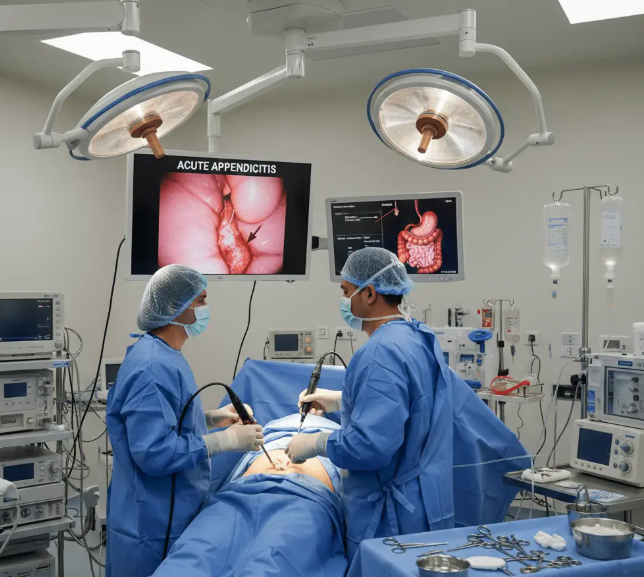
Laparoscopic surgery is a minimally invasive surgical technique used to diagnose and treat several conditions affecting the abdomen and pelvis. Unlike traditional open surgery, it involves small incisions through which a surgeon inserts a camera and specialised instruments to perform the procedure.
Patients may be referred for laparoscopic surgery when medication or other treatments are insufficient, or when an operation is considered the most appropriate option. However, not every abdominal problem requires surgery. Understanding the symptoms, medical conditions, and situations that may require surgical evaluation can help patients seek timely care.
What Does a Laparoscopic Surgeon Treat?
A laparoscopic surgeon performs operations using a small camera called a laparoscope. The camera provides images of the internal organs on a monitor, allowing the surgeon to operate through small incisions rather than making a large opening in the abdomen.
This technique is commonly used for selected conditions involving the gallbladder, appendix, digestive system, abdominal wall, and certain pelvic organs. The suitability of the approach depends on the patient’s condition, medical history, and the complexity of the operation.
Common Conditions Treated Through Laparoscopic Surgery
- Gallstones causing symptoms or complications
- Appendicitis requiring surgical treatment
- Certain types of abdominal hernias
- Selected gastrointestinal conditions
- Some gynaecological conditions, such as ovarian cysts or endometriosis
- Certain abdominal conditions requiring diagnostic examination
A surgeon evaluates the diagnosis and available treatment options before recommending an operation.
1. Persistent or Severe Abdominal Pain
Abdominal pain can occur for many reasons, including indigestion, infections, constipation, gallstones, appendicitis, or other digestive conditions. Occasional mild discomfort may settle on its own, but persistent, recurring, or worsening pain should be medically evaluated.
The location and nature of the pain can provide useful clues, although symptoms alone cannot confirm a diagnosis. A doctor may recommend a physical examination, blood tests, ultrasound, or other imaging investigations.
When Should You Seek Surgical Evaluation?
A surgical consultation may be necessary when investigations suggest a condition that could require an operation. For example, persistent pain in the upper right abdomen may be associated with symptomatic gallstones, while pain that begins near the navel and moves towards the lower right abdomen can occur with appendicitis.
Sudden severe abdominal pain, a rigid or swollen abdomen, fainting, persistent vomiting, or pain accompanied by fever requires urgent medical assessment. Do not delay emergency care while trying to arrange a routine specialist appointment.
2. Symptoms of Gallstones and Gallbladder Problems
Gallstones are hardened deposits that develop inside the gallbladder. Many people have gallstones without experiencing symptoms, and treatment may not be necessary in every case. However, stones that cause repeated pain or complications may require medical or surgical management.
Common symptoms include pain in the upper right or central abdomen, particularly after meals, nausea, vomiting, and discomfort that may spread towards the back or right shoulder.
When Is Gallbladder Surgery Considered?
If gallstones cause repeated symptoms, a surgeon may recommend laparoscopic cholecystectomy, which involves removing the gallbladder. The procedure is commonly performed using small abdominal incisions.
Fever, jaundice, severe persistent pain, or repeated vomiting may indicate complications such as inflammation or blockage of the bile ducts. These symptoms require prompt medical assessment rather than waiting for a routine appointment.
3. Appendicitis and Other Conditions Requiring Timely Surgery
Appendicitis occurs when the appendix becomes inflamed, often due to a blockage. It commonly causes abdominal pain that may begin around the navel and gradually move towards the lower right side. Other symptoms can include nausea, vomiting, fever, and loss of appetite.
Appendicitis needs prompt medical evaluation because an untreated inflamed appendix can rupture and cause serious infection inside the abdomen.
Role of Laparoscopic Appendectomy
A laparoscopic appendectomy involves removing the inflamed appendix through small incisions. The surgeon evaluates the patient’s condition and determines whether this approach is appropriate. In some situations, open surgery may be safer or necessary.
Patients with suspected appendicitis should seek urgent medical attention. Do not attempt to manage severe or worsening abdominal pain with home remedies or delay assessment.
4. Hernias That May Require Surgical Treatment
A hernia develops when an internal organ or tissue pushes through a weak area in the surrounding muscle or connective tissue. It may appear as a visible bulge in the abdomen or groin and can become more noticeable while standing, coughing, or lifting.
Some hernias cause discomfort or a dragging sensation, while others may initially be painless. However, a hernia generally does not resolve permanently without treatment.
When Should You Consult a Surgeon?
A surgeon can assess the size, location, symptoms, and risk of complications before discussing treatment. Selected inguinal, umbilical, and other abdominal hernias may be repaired using laparoscopic techniques.
A painful hernia that cannot be pushed back, especially when accompanied by vomiting, abdominal swelling, or difficulty passing stool or gas, may indicate obstruction or strangulation. This is a medical emergency requiring immediate attention.
5. When Other Digestive or Pelvic Conditions Needing Surgical Assessment
Not all conditions requiring laparoscopic surgery cause sudden or severe symptoms. Some develop gradually and may lead to recurring discomfort, digestive difficulties, or changes in normal activities. A medical assessment can help identify the underlying cause.
Depending on the diagnosis, laparoscopic procedures may be considered for selected gastrointestinal and pelvic conditions, including certain intestinal problems, ovarian cysts, endometriosis, and adhesions.
Symptoms That Should Not Be Ignored
Consult a doctor if you experience persistent abdominal discomfort, unexplained bloating, recurring vomiting, changes in bowel habits, or pelvic pain. These symptoms do not automatically indicate a need for surgery, but they may require further investigation.
Delhi residents seeking a laparoscopic surgeon in Delhi should first ensure that the specialist evaluates the underlying condition and explains whether laparoscopic surgery, another treatment, or continued observation is appropriate.
What to Expect During a Consultation
A consultation helps the surgeon understand your symptoms, medical history, and previous treatment. The doctor may ask when the symptoms began, how frequently they occur, what makes them worse, and whether you have experienced similar problems before.
Bring previous medical reports, imaging results, medication details, and information about earlier surgeries. These details can help the surgeon assess your condition more accurately.
Tests and Treatment Planning
Depending on the suspected condition, investigations may include:
- Blood and urine tests
- Abdominal or pelvic ultrasound
- CT scan or MRI, when required
- Endoscopy or other specialised investigations in selected cases
If surgery is recommended, the surgeon should explain the purpose of the procedure, possible alternatives, anaesthesia, potential complications, expected hospital stay, and recovery requirements.
Understand the Benefits and Limitations of Laparoscopic Surgery
Laparoscopic surgery may offer advantages over open surgery in suitable patients. These can include smaller incisions, less postoperative pain, shorter hospital stays, and faster return to routine activities. However, recovery varies depending on the procedure and individual health.
Is Laparoscopic Surgery Suitable for Everyone?
No. Previous abdominal surgeries, severe inflammation, extensive internal scarring, certain medical conditions, or the complexity of the disease may affect whether laparoscopy is appropriate.
In some cases, the surgeon may need to convert a laparoscopic operation into open surgery for safety. This possibility should be discussed before the procedure so patients understand the available options.
Conclusion
Consulting a laparoscopic surgeon may be appropriate when persistent abdominal symptoms, gallstones, appendicitis, hernias, or selected digestive and pelvic conditions require surgical evaluation. However, symptoms alone cannot determine whether an operation is necessary.
Timely medical assessment, appropriate investigations, and a discussion of treatment options help patients understand the most suitable approach. Seek emergency care for sudden severe abdominal pain or symptoms suggesting a serious complication.
Frequently Asked Questions
1. When should I visit a laparoscopic surgeon?
Consider a surgical consultation if you have persistent abdominal pain, symptomatic gallstones, a suspected hernia, appendicitis, or another condition that may require an operation. A doctor can determine whether surgical evaluation is appropriate.
2. Is laparoscopic surgery better than open surgery?
Laparoscopic surgery may offer smaller incisions, less pain, and faster recovery in suitable cases. However, open surgery may be safer or more effective for certain conditions depending on their complexity.
3. How long does recovery after laparoscopic surgery take?
Recovery depends on the procedure, the patient’s health, and whether complications occur. Some patients resume light activities within days, while others may need several weeks before returning to normal routines.
4. Are there risks associated with laparoscopic surgery?
Possible risks include bleeding, infection, injury to nearby organs, blood clots, and complications related to anaesthesia. The likelihood varies by procedure and individual health, so discuss specific risks with your surgeon.
5. Do all gallstones require laparoscopic surgery?
No. Gallstones that do not cause symptoms may not require immediate treatment. Surgery is commonly considered when stones cause repeated symptoms or complications, following assessment by a qualified medical professional.