








A fireplace can transform an ordinary living space into a comfortable and welcoming environment. Beyond providing warmth, it can become an attractive interior feature that adds character, elegance and a relaxing atmosphere to a home. Zimmerkamine, a German term referring to room fireplaces or indoor fireplaces, represent different fireplace designs developed for residential interiors. They range from traditional wood-burning installations to modern electric and decorative fireplace systems.
As interior design continues to evolve, homeowners have more choices when selecting a fireplace that matches their living arrangements and personal preferences. These decisions are also an important part of home improvement projects, particularly when upgrading living spaces and choosing suitable heating features. Some people prefer the traditional appearance of real flames, while others choose contemporary electric models that offer convenient operation without requiring a conventional chimney. Understanding the available options, their heating capabilities and installation requirements can help homeowners make informed decisions.
Quick Answer: What Are Zimmerkamine?
| Feature | Details |
|---|---|
| Term | Zimmerkamine |
| Language | German |
| Meaning | Room fireplaces or indoor fireplaces |
| Singular form | Zimmerkamin |
| Main purpose | Indoor decoration, atmosphere and heating |
| Common types | Electric, bioethanol, wood-burning and gas |
| Installation | Depends on fireplace technology |
| Suitable locations | Living rooms and other approved indoor spaces |
| Main considerations | Safety, ventilation, heating capacity and maintenance |
What Are Zimmerkamine?
Zimmerkamine refers to fireplaces designed for indoor residential environments. The word combines the German terms Zimmer, meaning room, and Kamine, meaning fireplaces. Rather than describing one particular manufacturer or heating technology, it represents a broad category of fireplace designs intended for different types of living spaces.
Traditional fireplaces have long been associated with residential heating and comfortable family environments. However, modern fireplace technology has expanded the available choices. Homeowners can now explore electric fireplaces, bioethanol burners, gas installations and conventional wood-burning systems according to their requirements.
The main difference between these options involves how they produce flames and heat. Electric fireplaces generally recreate the appearance of flames through lighting technology, whereas wood, gas and bioethanol systems use actual combustion. These differences influence installation, operating costs, ventilation requirements and maintenance.
In contemporary homes, Zimmerkamine can serve as decorative centrepieces, supplementary heating appliances or traditional fireplaces designed for regular use. Their suitability depends on the specific model, room conditions and intended purpose.
Different Types of Zimmerkamine
Understanding the main fireplace categories is important when deciding which design is appropriate for a particular property. Each option offers different advantages and practical limitations.
1. Electric Zimmerkamine
Electric fireplaces are among the most convenient options for homeowners who want the appearance of a traditional fireplace without installing a conventional chimney. They use electrical components, lighting effects and sometimes advanced visual technology to reproduce the appearance of burning flames.
Many electric models include adjustable brightness, different flame settings, remote controls and integrated heating elements. Some units are designed primarily for decoration, while others can provide additional warmth through electric heating systems.
Another advantage is their relatively straightforward installation. Depending on the model, an electric fireplace may be wall-mounted, freestanding or installed inside an existing fireplace opening. However, electrical requirements, clearances and ventilation instructions must still be followed.
Electric Zimmerkamine are particularly attractive in apartments, modern homes and smaller living spaces where installing a traditional fireplace may be impractical. Their main limitation is dependence on electricity, especially when the heating function is being used.
2. Bioethanol Zimmerkamine
Bioethanol fireplaces use liquid bioethanol fuel to produce genuine flames. Unlike electric models, they create fire through combustion, providing a more traditional visual experience without necessarily requiring a conventional chimney.
These fireplaces are available in several designs, including tabletop units, freestanding structures, wall-mounted models and built-in installations. Their contemporary appearance makes them a popular subject in modern interior design.
However, bioethanol fireplaces require particular attention to safety. Burning fuel releases combustion products into the indoor environment, and research on ethanol fireplaces and indoor air quality highlights potential pollutants, including nitrogen dioxide and formaldehyde. Appropriate safety precautions and manufacturer instructions are essential.
Consumers should also understand that these appliances are generally decorative products rather than replacements for a home’s main heating system. German consumer protection authorities warn about indoor air pollution and fire risks associated with ethanol fireplaces. <sup>1</sup>
Fuel handling is another important consideration. Bioethanol must be stored safely, and it should never be added while a fireplace is burning or remains hot. Selecting an appropriately tested appliance and following its operating instructions can help reduce avoidable risks.
3. Wood-Burning Zimmerkamine
Wood-burning fireplaces represent the traditional approach to indoor fire and residential heating. They use firewood to generate genuine flames and release heat through radiation and, depending on their construction, convection.
These installations are available in different designs, including open fireplaces, enclosed fireplaces and modern wood-burning stoves. Enclosed systems often feature glass doors that allow occupants to observe the flames while keeping the fire contained.
One advantage of wood-burning fireplaces is their ability to provide meaningful room heating when properly designed and installed. Their appearance also appeals to people who appreciate traditional materials, natural flames and classic interior styles.
Nevertheless, wood-burning Zimmerkamine require more preparation than electric models. They generally need a suitable chimney or flue, appropriate combustion air, regular cleaning and professional inspections, making proper wood-burning fireplace installation and maintenance essential for safe and efficient operation. Firewood must also be stored in suitable conditions.
Smoke emissions are an important environmental consideration. The quality of the appliance, fuel moisture and operating practices influence combustion performance and air pollution. Homeowners should check applicable building requirements and local restrictions before installing a wood-burning fireplace.
4. Gas Zimmerkamine
Gas fireplaces offer another option for people who want real flames without the routine handling of firewood. These appliances use an approved gas supply, such as natural gas or liquefied petroleum gas, depending on the model and installation.
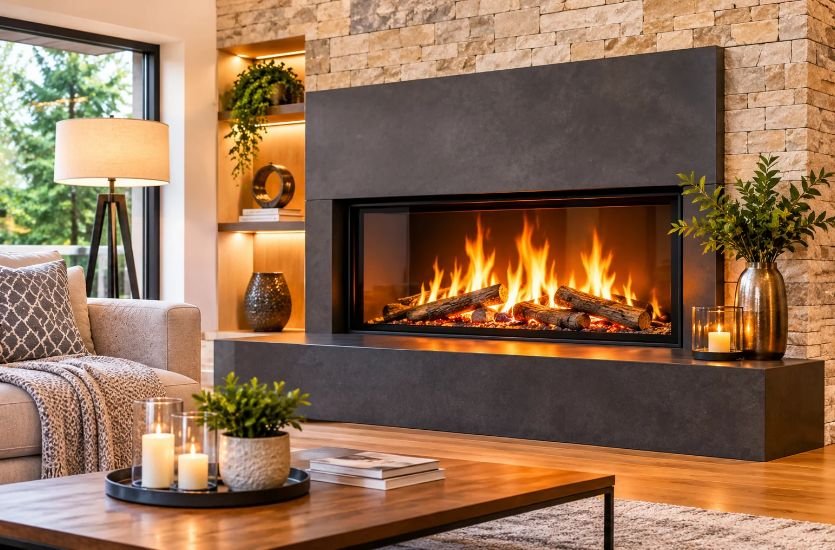
Modern gas fireplaces are available in traditional and contemporary designs. Some feature large glass panels, realistic decorative logs and adjustable flame settings. Their heating output and operating controls vary according to the appliance.
Convenience is one of their main attractions. Users can operate suitable models through dedicated controls rather than manually adding fuel throughout the burning process.
However, gas fireplaces require careful installation and appropriate exhaust arrangements. Gas connections, ventilation and safety systems must meet relevant requirements. Installation and servicing should be performed by appropriately qualified professionals.
5. Water Vapour Zimmerkamine
Water vapour fireplaces provide another modern approach to decorative indoor fire. Instead of burning conventional fuel, these systems use water mist and lighting technology to create an effect that resembles flames.
Some models use carefully positioned lights to make the rising mist appear similar to moving fire. This creates an attractive visual feature without conventional combustion.
Water vapour fireplaces are generally selected for their decorative appearance rather than their heating performance. They do not provide the same type of warmth as wood-burning or gas fireplaces, although certain products may include separate heating functions.
Their maintenance requirements usually involve keeping the water reservoir clean and following the manufacturer’s instructions. They can be particularly suitable for contemporary interiors where appearance is more important than traditional fire production.
Benefits of Modern Zimmerkamine
Modern indoor fireplaces offer several possibilities for improving residential interiors. Their practical benefits depend on the technology, installation and purpose of the selected model.
Improved Interior Appearance
A fireplace can become a central design feature within a living room. Its placement can influence furniture arrangements, lighting choices and the overall visual balance of an interior.
Contemporary fireplace designs are available in different materials, shapes and finishes. Glass, metal, stone and decorative surrounds can complement a wide range of interior styles.
A Comfortable Living Environment
The appearance of a fireplace can contribute to a relaxing atmosphere, particularly during colder months. Real flames provide a traditional visual experience, while electric and water vapour models offer alternative decorative effects.
For many homeowners, the attraction is not limited to heating. A fireplace can also create a comfortable setting for family gatherings, reading and spending time at home.
Different Installation Possibilities
Not every property can accommodate a conventional wood-burning fireplace. Modern Zimmerkamine provide alternatives that may require less structural work.
Electric models, in particular, are available in freestanding and wall-mounted configurations. Some decorative systems can also be incorporated into existing furniture or custom interior arrangements.
However, the absence of a chimney requirement does not automatically mean that every model is suitable for every room. Electrical connections, ventilation, clearances and manufacturer specifications remain important.
Flexible Design Choices
Homeowners can select from traditional fireplace surrounds, minimalist wall installations and contemporary built-in designs. This variety makes it easier to find an appliance that complements the available space.
Some people prefer fireplaces that blend naturally into the surrounding walls, while others choose designs that create a noticeable focal point.
Additional Heating Options
Certain Zimmerkamine can provide supplementary warmth. Electric fireplaces use heating elements, while wood-burning and gas appliances generate heat through combustion.
However, decorative fireplaces should not automatically be considered effective heating systems. Their actual heating capacity depends on their technical specifications and suitability for the room.
How to Choose the Right Zimmerkamine for Your Home
Selecting an indoor fireplace requires consideration of both appearance and practical requirements. A model that looks attractive in a showroom may not necessarily be appropriate for a particular property.
Consider the Size of the Room
Room dimensions influence the type and heating capacity of a suitable fireplace. A large living room may require a different arrangement from a small bedroom or apartment lounge.
Homeowners should examine the manufacturer’s recommended room size and heating output rather than relying exclusively on the visual dimensions of the appliance.
Decide Between Decoration and Heating
The intended purpose should influence the purchasing decision. Some people mainly want the appearance of flames, whereas others need additional warmth during colder weather.
An electric fireplace with a heating function may suit someone who wants both decorative effects and supplementary heat. A water vapour model may be more appropriate when visual appearance is the primary consideration.
Examine Installation Requirements
Installation is one of the most important factors when comparing Zimmerkamine. Electric models generally require an appropriate power connection, while wood-burning and gas fireplaces need suitable exhaust arrangements.
Bioethanol models have different requirements because they involve an open flame and combustion inside the room. Their ventilation and operating conditions must be considered carefully.
Compare Operating and Maintenance Costs
The initial purchase price does not represent the complete cost of owning a fireplace. Electricity consumption, fuel purchases, cleaning, servicing and installation can all affect long-term expenses.
Electric models may require less routine maintenance, although their heating costs depend on electricity consumption and local tariffs. Wood-burning systems involve firewood expenses and chimney maintenance, while gas systems have fuel and servicing costs.
Comparing these expenses before purchasing can help homeowners avoid unexpected costs.
Prioritise Safety and Product Quality
A fireplace should be selected according to its intended indoor use and relevant safety requirements. Consumers should examine product documentation, installation instructions and recognised testing standards where applicable.
For bioethanol appliances, DIN EN 16647 is a relevant European safety standard for decorative ethanol fireplaces. Buyers should also consider stability, flame-control arrangements and safe fuel storage.
Zimmerkamine and Modern Interior Design
Fireplaces have an important place in residential interior design because they combine visual interest with a distinctive atmosphere. Modern Zimmerkamine extend this traditional feature into different architectural styles and living arrangements.
Minimalist Living Rooms
Minimalist interiors often use simple furniture, neutral colours and uncluttered arrangements. A wall-mounted electric fireplace can complement this approach by adding a visual focal point without overwhelming the room.
Black, white and natural stone finishes are common choices for contemporary fireplace surrounds.
Traditional Home Interiors
Traditional interiors often feature wooden furniture, decorative materials and warm colour combinations. Wood-burning fireplaces and classic fireplace surrounds can complement these environments.
Stone, brick and textured finishes can strengthen the traditional appearance while creating a connection between the fireplace and the surrounding architecture.
Contemporary Apartments
Apartments may have limited space or lack the infrastructure required for traditional fireplaces. Compact electric models can offer an alternative where their installation is permitted and suitable.
Freestanding and wall-mounted designs can also help homeowners incorporate a fireplace effect without undertaking major structural changes.
Open-Plan Living Spaces
In open-plan properties, fireplaces can help define different areas within a larger room. A carefully positioned unit may visually connect a seating area with the dining or entertainment space.
However, placement should account for furniture arrangements, circulation space, heat distribution and the manufacturer’s required clearances.
Installation Requirements and Safety Considerations
Safety should remain a priority whenever an indoor fireplace is installed or operated. Different technologies create different risks, so homeowners should not assume that all Zimmerkamine can be used in the same way.
Wood-burning and gas appliances require appropriate exhaust systems to remove combustion gases. Their installation should follow applicable building regulations and professional recommendations.
Electric fireplaces do not produce combustion emissions during normal operation, but electrical safety and overheating prevention remain important. Users should avoid blocking ventilation openings or placing combustible materials too close to heating elements.
Bioethanol fireplaces require particularly careful handling because they involve liquid flammable fuel and exposed flames. Fuel must be stored away from ignition sources, and refilling should only take place when the appliance is completely extinguished and sufficiently cooled.
The German consumer protection organisation Verbraucherzentrale NRW highlights the potential fire hazards and indoor air pollution associated with ethanol fireplaces. It recommends particular caution when considering their use inside homes. <sup>2</sup>
Children and pets should also be kept away from operating fireplaces. Appropriate protective arrangements, stable installation and regular inspection can help reduce the risk of accidents.
Maintenance and Long-Term Care
Regular maintenance helps keep a fireplace in suitable operating condition. The exact requirements depend on its construction and fuel source.
Electric fireplaces generally need periodic dust removal and inspection of their electrical components. Users should follow the manufacturer’s cleaning instructions and avoid using unsuitable cleaning products.
Wood-burning fireplaces require more extensive maintenance. Ash removal, inspection of the firebox and professional chimney cleaning are important parts of responsible operation.
Gas fireplaces should receive appropriate professional servicing to check their connections, ventilation and operating components. Any unusual smell, sound or performance issue should be investigated rather than ignored.
Water vapour fireplaces need regular attention to their water reservoirs and internal components. Using suitable water and following the recommended cleaning schedule can help maintain their performance.
Bioethanol models require careful inspection of burners, fuel containers and other components. Any damage or malfunction should be addressed according to the manufacturer’s safety guidance.
Environmental Considerations of Indoor Fireplaces
The environmental impact of Zimmerkamine varies according to the technology and energy source used. Electric fireplaces do not create combustion emissions inside the home, although the environmental impact of their electricity depends partly on how that electricity is generated.
Wood-burning systems release smoke and particulate matter. Their emissions depend on fuel quality, appliance design and operating conditions. Properly seasoned wood and suitable equipment can improve combustion, but they do not eliminate emissions.
Gas fireplaces produce combustion gases and require suitable exhaust arrangements. Bioethanol fireplaces also produce combustion emissions and can affect indoor air quality.
Water vapour fireplaces avoid conventional fuel combustion during their decorative operation. However, their electricity consumption and water requirements should still be considered.
For environmentally conscious homeowners, the most suitable option depends on energy consumption, local electricity generation, fuel sources and the intended use of the appliance.
Common Mistakes to Avoid When Buying Zimmerkamine
One common mistake is selecting a fireplace entirely because of its appearance. Attractive designs do not necessarily offer suitable heating performance or meet the installation requirements of a particular property.
Another mistake is assuming that every chimney-free fireplace is completely safe for indoor use. Bioethanol models, for example, still involve combustion, flammable fuel and ventilation considerations.
Ignoring maintenance requirements can also create problems. Different fireplaces require different levels of cleaning, inspection and servicing, which should be understood before purchasing.
Homeowners should also avoid choosing an appliance without checking its dimensions and recommended clearances. An unsuitable installation can create unnecessary safety and practical difficulties.
Finally, comparing only the purchase price can lead to poor decisions. Electricity, fuel, installation and maintenance costs all contribute to the overall expense.
The Future of Zimmerkamine
Fireplace technology continues to develop as manufacturers respond to changing residential needs and interior design preferences. Modern consumers increasingly look for appliances that combine attractive appearances, convenient operation and practical installation requirements.
Electric fireplaces are benefiting from improvements in flame simulation, lighting and digital controls. Some models provide customisable visual effects and integrated heating functions.
Water vapour technology is also expanding the possibilities for decorative fireplace installations. Its ability to create flame-like effects without conventional combustion makes it an interesting option for contemporary interiors.
At the same time, traditional wood-burning and gas fireplaces remain relevant in properties designed to accommodate them. Improvements in appliance construction and combustion control continue to influence the development of these heating systems.
The future of Zimmerkamine will likely involve a wider range of designs and technologies. Nevertheless, safety, energy consumption and suitability for individual living spaces will remain essential considerations.
Frequently Asked Questions About Zimmerkamine
What Does Zimmerkamine Mean?
Zimmerkamine is a German term meaning room fireplaces or indoor fireplaces. It refers to fireplace designs intended for residential interiors rather than one specific brand or heating technology.
What Is the Difference Between Zimmerkamin and Zimmerkamine?
Zimmerkamin is the singular German term for a room fireplace, while Zimmerkamine is its plural form. Both terms relate to indoor residential fireplaces.
Do Zimmerkamine Require a Chimney?
Not all Zimmerkamine require a traditional chimney. Electric and water vapour models generally operate without one, while many bioethanol fireplaces are also designed without conventional flues. Wood-burning and gas installations require appropriate exhaust arrangements according to their design and applicable regulations.
Are Electric Zimmerkamine Suitable for Apartments?
Electric fireplaces can be suitable for many apartments because they generally do not require a conventional chimney or produce combustion emissions inside the room. However, electrical capacity, installation instructions and property restrictions should be checked before purchasing.
Do Zimmerkamine Provide Real Heat?
Some Zimmerkamine provide genuine heating, while others are designed mainly for decorative purposes. Electric fireplaces with heating elements, wood-burning appliances and gas fireplaces can produce heat. Water vapour models generally focus on visual effects.
Are Bioethanol Zimmerkamine Safe?
Bioethanol fireplaces involve real flames and flammable liquid fuel, so they require careful operation. They can also affect indoor air quality. Consumers should examine safety certification, ventilation requirements and manufacturer instructions before considering one.
Which Zimmerkamine Are Best for Modern Homes?
Electric fireplaces are a practical option for many contemporary homes because of their flexible designs and convenient operation. However, the best choice depends on available space, heating requirements, installation conditions and personal preferences.
Conclusion
Zimmerkamine represent a broad range of indoor fireplace designs that combine traditional fireplace appeal with modern residential requirements. From electric and water vapour models to wood-burning, gas and bioethanol systems, each option offers different characteristics, installation needs and operating considerations.
Choosing the right fireplace involves more than selecting an attractive design. Homeowners should evaluate heating performance, safety, ventilation, maintenance and long-term expenses before making a decision. With appropriate planning and a suitable installation, an indoor fireplace can become an attractive and functional feature of a residential environment.
Ultimately, the most suitable Zimmerkamine are those that complement the home’s interior, meet the occupants’ practical needs and can be operated safely.