








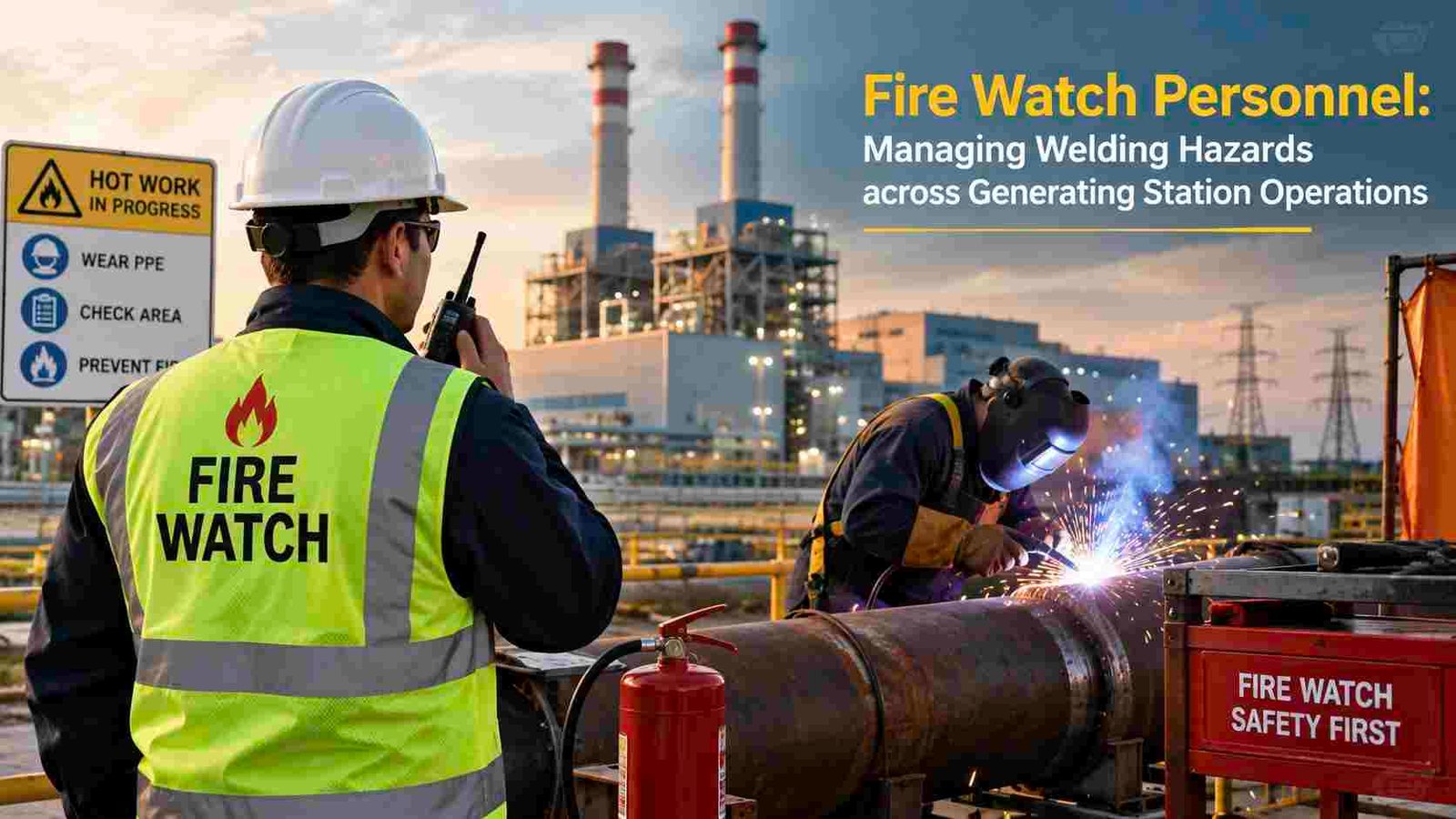
Welding is essential for equipment repairs at power generation facilities. Fire risks increase when hot sparks reach nearby combustible surfaces or hidden spaces. Attentive personnel help workers carry out repairs while keeping surrounding areas under observation. Their presence also allows maintenance teams to respond promptly when working conditions change. A generating station fire watch supports safer welding activities through direct observation and clear communication.
Inspecting Areas Before Welding
Before welding starts, personnel examine the work area for objects that could catch sparks. They check nearby cables and look beneath raised structures where hot particles might settle. Any combustible waste should be removed before the welder begins. This preparation gives workers a clear space to perform their assigned tasks.
Identifying Potential Ignition Sources
Welding sparks can travel beyond the point where metal is being joined. A small hot particle may settle unnoticed near electrical components or combustible waste. Fire watch personnel remain alert to these possibilities throughout the task. Their position should provide a clear view of the welding activity without obstructing workers.
Hot sparks reaching combustible waste beneath the work area.
Heated metal touching exposed electrical cables during repairs.
Small particles entering gaps around floors or machinery.
Welding near surfaces covered with dust or residue.
Sparks settling behind equipment outside the welder’s direct view.
Recognising these conditions allows personnel to alert supervisors before work continues in an unsuitable area.
Coordinating With Maintenance Teams
Generating stations often have several maintenance activities taking place at once. Welding in one section may affect workers nearby if sparks travel through openings or heat reaches connected components. Watch personnel communicate with supervisors before work begins. This helps everyone understand the permitted work area and their responsibilities.
A generating station fire watch also requires coordination when the job changes. For example, moving a component may expose a surface that was previously protected. The watch person informs the supervisor so the area can be checked again. Clear communication keeps the welding crew informed without creating confusion during essential repairs.
Preparing Suitable Safety Equipment
The work area needs suitable protective equipment before welding starts. Personnel confirm that approved extinguishing equipment is accessible and that workers know where it is kept. Combustible surfaces should receive suitable protection when removal is not possible. Required permits must also be reviewed before the task begins.
Approved extinguishing equipment is available near the welding area.
Protective covers shield exposed combustible surfaces from sparks.
Exit routes remain clear for workers during an emergency.
Communication equipment allows prompt contact with supervisors.
Required permits reflect the planned welding activity.
These preparations give the crew clear instructions before hot work begins.
Monitoring Conditions During Welding
Once welding starts, personnel watch the immediate work area rather than focusing only on the welder. Sparks may reach unexpected places when equipment changes position. A faint trace of smoke or a glowing particle can signal that another part of the area needs attention. Prompt reporting gives the supervisor an opportunity to act.
Checking Areas After Completion
Welding equipment stopping does not mean the work area is ready for normal use. Personnel inspect the completed work and look for hot particles beneath nearby structures. They also check concealed spaces where sparks may have settled. Monitoring continues for the period required by facility procedures.
Once the area has been checked, personnel report their findings to the supervisor. Any unusual condition should be recorded with details of the action taken. Accurate records help maintenance teams plan future repairs and improve work practices. A careful handover also confirms that the designated person has completed the required checks before the area returns to routine operations.
FAQ
What is the main responsibility of welding watch personnel?
They observe work areas and respond promptly to emerging ignition risks.
Why must personnel remain after welding stops?
Hot particles may remain active after the welding equipment has stopped.
Who oversees welding safety at generating stations?
Facility supervisors coordinate with welders and designated watch personnel throughout operations.