









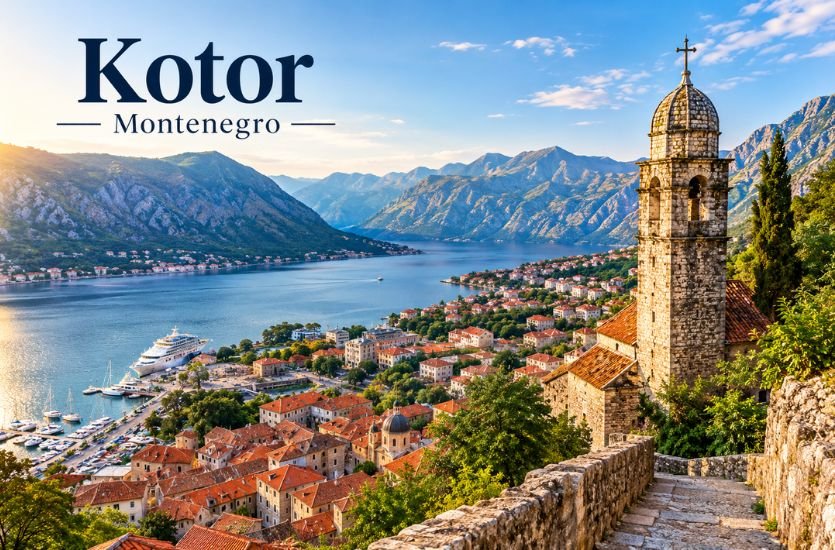
Kotora Melnkalne is a geographical expression associated with Kotor, a historic coastal town in Montenegro. Situated along the beautiful Bay of Kotor on the Adriatic coast, the town is known for its medieval architecture, ancient defensive walls, mountain scenery, and rich maritime heritage. Its combination of historic landmarks and natural beauty makes it an appealing destination for travellers interested in European history, architecture, and coastal exploration.
Although the phrase may appear unfamiliar to English-speaking readers, it points towards the real destination of Kotor, Montenegro. Understanding its geographical meaning helps visitors discover a town whose identity has been shaped by centuries of cultural exchange, seafaring traditions, and historical development.
Quick Answer: What Is Kotora Melnkalne?
Kotora Melnkalne refers to Kotor, Montenegro, in Latvian geographical naming. Kotor is a historic town on the Adriatic coast, famous for its fortified Old Town, medieval churches, dramatic mountain landscape, and UNESCO-recognized cultural heritage. It is an attractive destination for history enthusiasts, nature lovers, and travellers exploring southeastern Europe.
Where Is Kotora Melnkalne Located?
The destination associated with Kotora Melnkalne is located in southwestern Montenegro, along the Bay of Kotor. Montenegro is a country in southeastern Europe, bordering the Adriatic Sea and sharing land borders with several Balkan countries. Kotor occupies a sheltered coastal position where steep mountains meet the waters of the bay.
The surrounding landscape is one of the town’s most distinctive features. High limestone mountains rise above the coastline, while historic settlements and traditional buildings line the water’s edge. The combination of natural scenery and preserved architecture creates an environment that attracts visitors throughout the year.
The Bay of Kotor, commonly called Boka Kotorska, contains several historic settlements and picturesque waterfront communities. Its sheltered waters have supported maritime activity for centuries, contributing to the region’s economic and cultural development.
For practical travel planning, visitors should search for Kotor, Montenegro, when looking for accommodation, transportation, directions, or official visitor information. This is the standard English geographical name used by international tourism and heritage organizations.
The Meaning and Origin of Kotora Melnkalne
The phrase Kotora Melnkalne is best understood through its geographical and linguistic context. It is associated with Latvian naming for Kotor in Montenegro rather than a separate city, independent region, or newly discovered destination.
The name Kotor identifies the historic coastal town, while Melnkalne is the Latvian name for Montenegro. This explains why the complete phrase can appear unusual when encountered in English-language search results or travel articles.
Some online publications describe Kotora Melnkalne as a poetic expression or a symbolic name inspired by the relationship between mountains and the sea. However, these interpretations should not be confused with its geographical use. There is limited reliable evidence establishing a separate traditional meaning or an independent historical origin for the phrase.
Understanding this distinction is important for readers researching the keyword. Rather than searching for an unknown settlement, travellers can explore the well-documented history, architecture, and attractions of Kotor itself.
The Fascinating History of Kotor, Montenegro
Kotor has a long history shaped by maritime commerce, regional politics, cultural exchange, and the strategic importance of its natural harbour. Its location along the Adriatic coast made it a valuable settlement for people involved in trade, navigation, and coastal defence.
Over the centuries, Kotor experienced the influence of different political powers, including Roman, Byzantine, Serbian, Venetian, and later European administrations. Each historical period contributed to the town’s development, leaving traces in its architecture, religious buildings, public spaces, and defensive structures.
Venetian influence was particularly significant. From 1420 to 1797, Kotor was under Venetian rule for much of this period, and its maritime connections strengthened its position within the wider Adriatic trading network. The town developed a distinctive architectural character that remains visible in its stone palaces, fortified walls, and historic streets.
Religious institutions also played an important role in the town’s cultural life. Churches and monasteries became centres of worship, artistic expression, education, and community activity. Their surviving buildings provide insight into the craftsmanship and traditions of earlier generations.
Kotor’s history also includes natural disasters. The devastating earthquake of 1979 severely damaged numerous historic monuments and buildings. Extensive restoration efforts followed, helping preserve the town’s architectural heritage and supporting its recovery.
Today, Kotor’s historical identity remains closely connected to its surviving fortifications, traditional urban layout, and position within the wider cultural landscape of Montenegro.
Why Kotor Is a UNESCO World Heritage Destination
The Natural and Culturo-Historical Region of Kotor was added to the UNESCO World Heritage List in 1979. Its international significance comes from the combination of historic settlements, architectural monuments, defensive structures, and a remarkable natural environment.
The protected region includes historic towns and settlements around the inner part of the Bay of Kotor. Its value lies not only in individual buildings but also in the relationship between architecture, landscape, and centuries of human activity.
Kotor’s fortified town, palaces, religious complexes, and traditional settlements demonstrate how Mediterranean cultural influences spread into the Balkans. The region also preserves evidence of the maritime communities that helped shape its economy and society.
UNESCO recognition highlights the importance of conserving this heritage for future generations. Historic buildings and landscapes require ongoing care, especially as tourism, construction, transportation, and urban development create new pressures.
For visitors, the World Heritage designation offers an opportunity to understand Kotor as more than a scenic holiday destination. It is a place where architecture, cultural traditions, geography, and history combine to create an internationally important heritage landscape.
Top Attractions to Explore in Kotora Melnkalne
Kotor Old Town
Kotor Old Town is the historic heart of the destination. Surrounded by defensive walls, it features narrow stone streets, small squares, traditional buildings, and historic religious landmarks. Its compact layout makes it particularly suitable for walking and exploring at a relaxed pace.
Visitors can discover architectural details, browse small shops, enjoy local cafés, and observe how the historic centre continues to function as part of everyday community life. The combination of preserved structures and lively public spaces makes the Old Town one of the most memorable places in Montenegro.
San Giovanni Fortress and the City Walls
The defensive walls and San Giovanni Fortress rise above Kotor, overlooking the historic centre and the surrounding bay. These fortifications reflect the town’s former strategic importance and the need to protect its harbour and settlements.
Reaching the higher viewpoints involves climbing a steep route with numerous steps. The effort rewards visitors with expansive views of the rooftops, coastline, and surrounding mountains. Comfortable footwear, drinking water, and suitable weather conditions are important when planning the climb.
The fortress also provides a useful perspective on Kotor’s geography, showing how the town developed between the water and the steep mountain slopes.
Cathedral of Saint Tryphon
The Cathedral of Saint Tryphon is one of Kotor’s most recognizable historic landmarks. Dedicated to Saint Tryphon, the town’s patron saint, the cathedral represents the area’s religious heritage and long tradition of architectural craftsmanship.
Its stone façade, historic details, and religious significance make it an important stop for visitors interested in medieval architecture and cultural history. The cathedral also reflects the historical role of religious institutions in shaping the town’s identity.
Square of Arms and the Clock Tower
The Square of Arms is one of the principal public spaces in Kotor Old Town. It is surrounded by historic buildings and provides a convenient starting point for exploring the surrounding streets.
The Clock Tower is a prominent landmark in the square, helping define the character of the historic centre. Nearby cafés and pedestrian areas create opportunities to relax and observe the town’s daily rhythm.
This part of Kotor is particularly appealing to visitors who want to appreciate the relationship between historic architecture, public life, and tourism.
Perast and Our Lady of the Rocks
Perast is a historic coastal settlement within the Bay of Kotor, known for its waterfront buildings, maritime connections, and scenic setting. Its architecture reflects the prosperity that maritime trade brought to the region over several centuries.
Nearby, Our Lady of the Rocks is a small island with a church and museum that visitors commonly reach by boat. The site is associated with local traditions and stories connected to the bay’s maritime communities.
A visit to Perast can complement a trip to Kotor by providing a broader understanding of the area’s historic settlements and coastal culture.
Culture and Traditions of Kotor
Kotor’s cultural identity reflects a long history of interaction between Mediterranean and Balkan communities. Its architecture, religious traditions, maritime practices, and public spaces reveal the influence of different cultures across the centuries.
The sea has played a central role in local life. Fishing, navigation, ship-related commerce, and maritime trade helped establish the town’s historical importance. The wider bay supported connections with other Adriatic ports, encouraging the movement of goods, people, artistic ideas, and cultural traditions.
Religious heritage remains visible in the town’s churches and historic buildings. These landmarks preserve artistic features and architectural styles that developed under different political and cultural influences.
Kotor also has a contemporary cultural life shaped by festivals, community activities, tourism, and local businesses. Historic squares and streets continue to serve as social spaces rather than existing solely as monuments.
Respecting this living culture is an important part of responsible tourism. Visitors can help protect the town’s identity by treating historic sites carefully, following local rules, and respecting the people who live and work in the area.
Traditional Food and Dining Experiences
The cuisine around Kotor reflects its Adriatic location and broader Montenegrin food traditions. Seafood and grilled fish are common features of coastal menus, often accompanied by seasonal vegetables, salads, bread, and Mediterranean-style preparations.
Visitors may also encounter regional cheeses, cured meats, soups, and traditional Balkan dishes. Local restaurants range from casual cafés to establishments offering more elaborate seafood meals.
Dining in the historic centre can be an enjoyable way to experience the atmosphere of the town. Outdoor seating, stone buildings, and nearby squares create a setting that connects food with the destination’s architectural character.
Travellers should remember that menus and prices vary by establishment and season. Checking current menus and reviews can help visitors choose options that suit their preferences and budgets.
Best Time to Visit Kotora Melnkalne
The best time to explore Kotor depends on personal preferences, weather, and planned activities. Spring and autumn are often attractive for travellers who want to walk through the Old Town, explore historic landmarks, and enjoy the surrounding scenery without the busiest summer crowds.
Summer brings warmer conditions and a lively coastal atmosphere. It is a popular period for sightseeing, boat excursions, and outdoor dining, although visitor numbers can increase substantially in the historic centre and around major attractions.
Winter generally offers a quieter experience, with cooler weather and potentially reduced availability of seasonal tourism services. It can suit visitors interested primarily in architecture, history, and a slower pace of exploration.
Because weather conditions can vary, travellers should check forecasts before planning hikes or boat trips. Seasonal opening hours and transportation schedules should also be confirmed before departure.
Outdoor Activities and Scenic Experiences
Kotor offers opportunities to experience both its historic environment and the surrounding natural landscape. Walking through the Old Town is one of the simplest ways to appreciate its architecture and atmosphere, while climbing towards the fortress provides a more demanding outdoor experience.
Boat excursions around the Bay of Kotor offer a different perspective on the coastal settlements and mountain scenery. Depending on the route and conditions, visitors may see historic waterfront communities, small islands, and churches along the shore.
Photography is another popular activity because the area combines stone architecture, blue water, and steep mountains in a relatively compact landscape. Early morning and late afternoon can provide attractive natural light, although the best conditions depend on the season and weather.
Travellers who prefer a relaxed visit can spend time in cafés, explore museums, or walk along accessible waterfront areas. Those planning more strenuous activities should prepare appropriately and follow local safety advice.
Practical Travel Tips for Visitors
Planning ahead can make a visit to Kotor more comfortable. The Old Town is largely pedestrian-oriented, and its stone streets may be uneven, so comfortable walking shoes are advisable. Visitors climbing towards the fortress should allow enough time and carry water, particularly during warmer weather.
Tivat Airport is one of the closest airports serving the region, while Podgorica Airport provides another option. The best arrival point depends on flight availability, accommodation, and the rest of the travel itinerary. Road travel times can vary because of traffic, road conditions, and seasonal congestion.
Accommodation ranges from hotels and guesthouses to apartments in and around the historic centre. Staying nearby offers convenient access to attractions, but prices and noise levels may be higher during busy periods.
Responsible tourism is especially important in a historic and environmentally sensitive area. Visitors should avoid littering, respect religious sites, follow marked paths, and take care not to damage historic structures. Supporting local businesses can also help maintain the community and traditions that make the destination distinctive.
The Importance of Preserving Kotor’s Heritage
Kotor’s architectural and cultural heritage faces ongoing conservation challenges. Natural disasters, weathering, tourism pressure, infrastructure development, and changes in local life can affect historic buildings and the wider landscape.
The 1979 earthquake demonstrated the vulnerability of the town’s historic structures. Restoration work helped repair extensive damage, but conservation remains a continuing responsibility rather than a task that can be completed once and forgotten.
Sustainable tourism can contribute positively when visitors respect local regulations and heritage sites. At the same time, careful planning is necessary to balance tourism-related economic benefits with the needs of residents and the protection of the historic environment.
Preserving Kotor means safeguarding not only its walls, churches, and palaces but also the wider cultural landscape and traditions that give the region its character. This balance is essential to maintaining its significance for future generations.
Why Kotora Melnkalne Continues to Interest Travellers
Kotora Melnkalne attracts attention because the phrase leads readers towards a destination with a distinctive combination of history, scenery, and cultural significance. Its unfamiliar wording may prompt questions about geography and language, but the real attraction is Kotor itself.
The town offers medieval streets, impressive fortifications, historic religious landmarks, waterfront views, and access to the wider Bay of Kotor. Its UNESCO-recognized heritage also makes it relevant to readers interested in architecture, conservation, and European history.
Understanding the name helps travellers search more effectively and distinguish geographical information from unsupported online interpretations. Rather than treating Kotora Melnkalne as a mysterious or separate location, readers can explore the documented history and attractions of Kotor, Montenegro.
Conclusion
Kotora Melnkalne is associated with Kotor, Montenegro, a historic coastal town known for its medieval architecture, maritime traditions, mountain scenery, and cultural heritage. Its location on the Bay of Kotor has influenced its development for centuries, while its historic buildings and surrounding landscape have earned international recognition.
From the Old Town and San Giovanni Fortress to the Cathedral of Saint Tryphon and nearby Perast, the region offers a variety of experiences for travellers interested in history, nature, and culture. Understanding the geographical meaning of the keyword provides a clear starting point for discovering this remarkable destination.
Kotor’s long-term appeal depends not only on its scenery and architecture but also on the careful preservation of its heritage. Responsible tourism and continued conservation can help ensure that the town remains an important cultural destination for generations to come.
If you want more informative articles with different categories, visit Expand Magazine.