









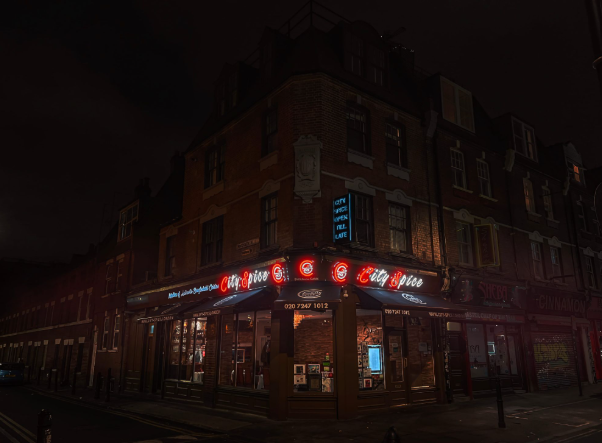
The quickest way to choose a curry restaurant brick lane london food lovers will rate is to judge the simple things: plain rice, a dhal, a bread and one vegetable dish. Kitchens that get these right almost always cook the rest well. The best indian curry on brick lane is usually found by testing basics, not by reading signs.
Why judge a curry restaurant Brick Lane London offers by its simplest dishes?
Here at City Spice we tell friends visiting from abroad the same thing: anyone can make a rich sauce taste acceptable with enough cream and sugar. Plain dishes hide nothing.
A bowl of dhal shows whether the cook understands tempering. Plain basmati shows care with water and timing. A naan shows whether the tandoor is properly hot. A vegetable dish shows whether the kitchen thinks of vegetables as food or as filler. Among the dozens of Curry Houses on Brick Lane, these four plates sort the careful kitchens from the rest faster than any review.
What should good test dishes look and taste like?
| Test dish | What good looks like | Warning sign |
|---|---|---|
| Plain basmati | Long, separate grains, fragrant, no stickiness | Broken, clumped or wet rice |
| Tarka dhal | Visible fried garlic and whole spice on top, nutty smell | Flat, floury taste, no aroma |
| Plain naan | Puffed with dark blisters, soft inside | Pale, even colour, dense texture |
| Vegetable side | Each vegetable distinct, spiced for itself | Mixed veg in the same gravy as everything else |
Why these signs? Basmati breaks when it is stirred hard or soaked too long, because its long grains are fragile. Most kitchens rinse it until the water runs clearer, soak it for around 20 to 30 minutes, then cook it gently and leave it alone. Clumping means starch has been knocked loose and turned to glue.
Dhal tells you about the tarka. Ghee or oil heated until it shimmers, then cumin, garlic and dried chilli dropped in for 30 seconds or so, poured over the lentils at the last moment. Fat carries flavour compounds that water cannot, which is why a good tarka changes the whole bowl.
Naan needs a hot clay oven. Dough slapped onto the wall puffs as steam forms inside, and the leopard spotting comes from intense, direct heat. A pale naan usually means a cooler oven or a conventional one.
How do you find the best Indian curry on Brick Lane for your taste?
“Best” depends on what you like. A useful first step is deciding which style you are after.
If you love the classic British curry house flavours, look for a kitchen whose madras, jalfrezi and bhuna each taste different. Many restaurants cook from one base gravy, which is efficient, but the best cooks still build distinct finishing masalas so a jalfrezi tastes of fresh green chilli and peppers, not of the madras next to it.
If you want regional Bengali cooking, look for mustard. Shorshe dishes made with ground mustard seed, fish cooked in mustard oil, bhortas of mashed aubergine or potato. These are the dishes the cooks on this street often grew up eating, and a menu that features them suggests a kitchen confident in its roots.
Diners hunting the Brick Lane best curry often end up ordering across both styles, which is exactly how we would suggest eating here.
How should food lovers handle heat?
Heat is personal, so tell your server honestly what you enjoy. A good Indian Restaurant in Brick Lane can adjust most dishes because the spicing is built per pan, not poured from a vat.
A little science helps. The burn of chilli comes from capsaicin, which dissolves in fat and alcohol but not in water. Gulping water spreads it around your mouth. Yoghurt, raita or a sip of lassi works better, because milk proteins and fat help carry capsaicin away. Plain rice also helps by giving the tongue something neutral.
And remember that heat is not the same as flavour. A properly balanced hot dish still tastes of its spices. If all you can taste is burn, the balance is off.
What does City Spice put on the table?
At City Spice, Chef Niaz cooks with a Bengali twist, and we try to pass every one of the tests above. The tandoor is used for vegetables as well as meat, so paneer and cauliflower come out charred at the edges and tender in the middle.
For plant-based diners, Chef Niaz worked with Michelin-inspired chef Rupert Rowley on a dedicated vegan curry menu. It includes Chowle Achar, an aubergine dhal, Shobji Kufta Bhujon and the thali-style Shahi Sahakari platter. The platter suits food lovers in particular: several dishes on one plate, so you can taste how a kitchen handles different vegetables, lentils and spice levels side by side.
We think anyone searching for the Best Indian Food In Brick Lane deserves cooking that shows where it comes from, and that is what we aim for every service.
Frequently Asked Questions
How do I choose a curry restaurant on Brick Lane?
Order a few simple dishes such as plain rice, dhal and naan, and judge the kitchen on those. Look for regional Bengali dishes on the menu and ask staff what the chef recommends.
What is the best curry to order on Brick Lane?
That depends on taste. Classic choices include bhuna and jalfrezi, while food lovers wanting regional cooking should try mustard-based Bengali dishes or a dhal with a fresh tarka.
Why does my mouth burn more when I drink water with curry?
Capsaicin, the compound that makes chilli hot, does not dissolve in water, so water spreads it around. Yoghurt, raita or lassi work better because fat and milk proteins help remove it.
Are there vegan curries on Brick Lane?
Yes. Bengali cooking has a strong vegetable tradition, and City Spice offers a dedicated vegan curry menu created with chef Rupert Rowley.